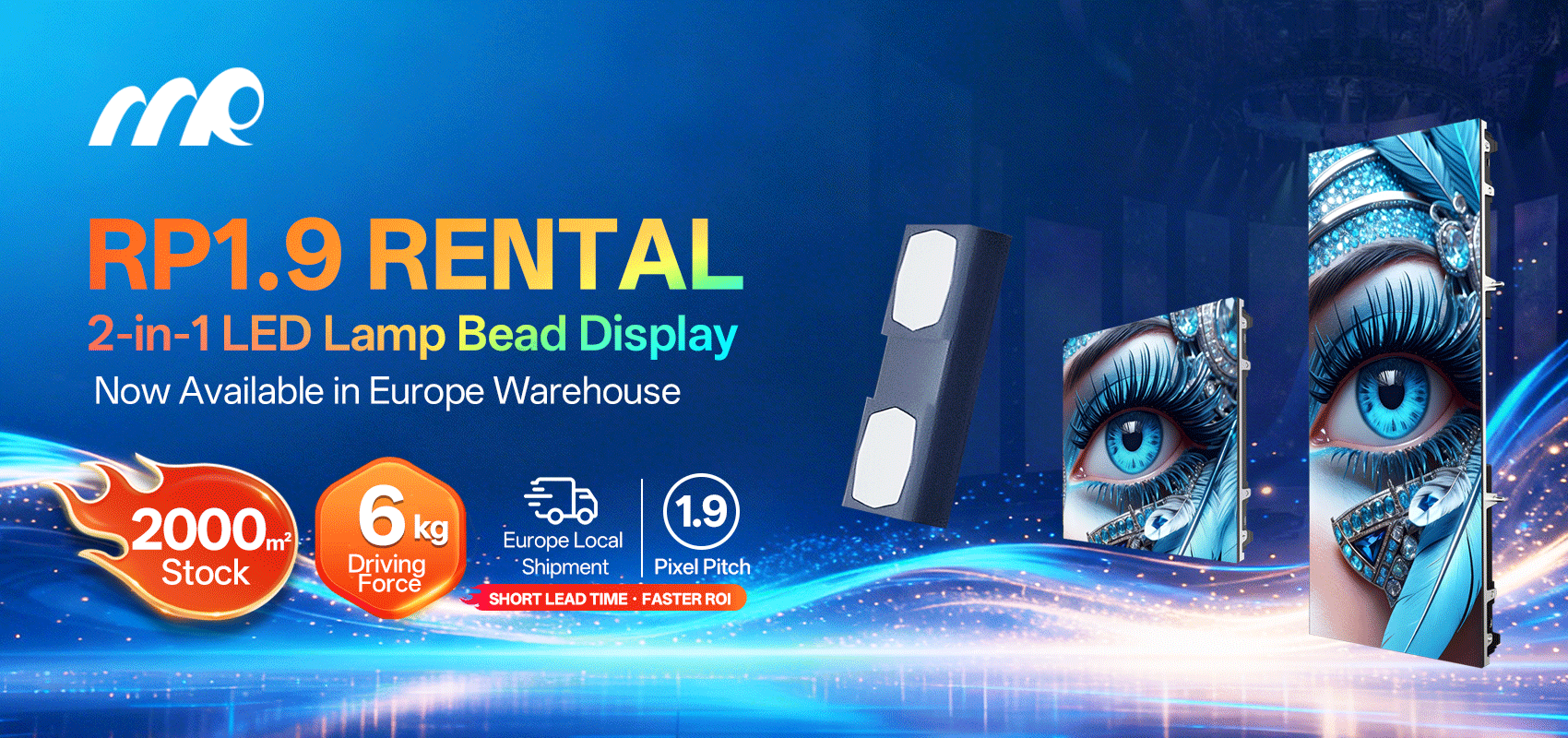
Comparative snapshot: flat panels versus wide-format curved boards
Large outdoor deployments—from Times Square billboards to stadium fascia—make different demands on image fidelity than indoor panels. A flat LED wall preserves color uniformity because each pixel faces the viewer similarly. Curved, wide-format 3D sign boards introduce a range of incident angles across the surface, so viewing angle and color shift become primary design constraints. If you plan for a rental LED display or permanent install, expect these differences to drive decisions on pixel pitch, brightness (nits), and mounting geometry.
Why curvature causes measurable color shift
LEDs and their optics emit light with angularly dependent spectral output. The eye sees a different mix of wavelengths when a pixel is tilted relative to the line of sight; that manifests as color shift. Optical layers—diffusers and lenses—change the angular distribution further. The result is not just hue change but altered perceived contrast ratio and color gamut across the board, especially at oblique viewing angles. Quantitatively, viewing angle specifications and gamma response determine how the image degrades off-axis.
Practical technical fixes for wide-format curved displays
Engineers and rental crews use a mix of hardware and signal processing to counteract color shift. Common measures include: calibrated LED modules with matched chromaticity, asymmetric optical lenses that steer light toward target zones, and per-pixel gamma tables to correct angular color errors. For temporary events, choosing a large led screen rental with on-site calibration saves time and avoids suboptimal brightness settings. Calibration rigs use photometers and colorimeters to map the screen; the corrective LUTs then compensate for both color and luminance variation.
Trade-offs and real-world constraints
Every mitigation carries cost and complexity. Tighter pixel pitch improves viewing uniformity up close but increases price and weight. Lenses and diffusers improve off-axis color but can reduce peak brightness, which matters for daylight readability. Field technicians must balance these variables—optical engineering, thermal management, and structural weight limits—against client demands. Deployers often choose a compromise: slightly higher brightness at the center, corrected edges via gamma mapping, and angle-optimized mounting. Simple oversight can break that balance—poor sealing, for instance, shifts calibration with temperature changes. —It happens more than vendors admit.
Common mistakes in procurement and deployment
Clients and planners repeat a few predictable errors. They specify only peak brightness (nits) without considering color gamut and viewing angle. They assume curved signage behaves like a flat display and skip per-segment calibration. They accept vendor-supplied presets instead of asking for photometric reports. Mitigation is straightforward: demand a spectral and angular performance sheet, insist on on-site verification, and test at the expected viewing distances. Use metrics, not marketing language.
Three golden rules for choosing and evaluating systems
1) Measure angular chromaticity as a procurement metric. Ask for CIE xy coordinates across ±45° and require tolerances that match your audience geometry. 2) Prioritize system-level calibration capability: per-module LUTs and an accessible color-management workflow reduce onsite tuning time. 3) Match pixel pitch to typical viewing distance—smaller pitch reduces local color variance but increases system cost; select the nearest efficient trade-off. These three checks prevent most color shift failures and keep installation timelines predictable.
Final assessment and value proposition
Eliminating color shift on wide-format curved 3D sign boards is not magic; it is engineering. You compare optical design, electronics, and calibration workflows, then choose the combination that meets your visibility and budget targets. Decision-makers often overlook how much real-world conditions—sun angle, crowd density, mounting radius—affect perceived color. Times Square-level projects demand tighter tolerances; simpler venues accept looser ones. The right partner brings measured data and boots-on-the-ground testing to the table.
MR LED delivers that blend of optics, calibration, and field experience—so your signage reads correctly from every angle. –