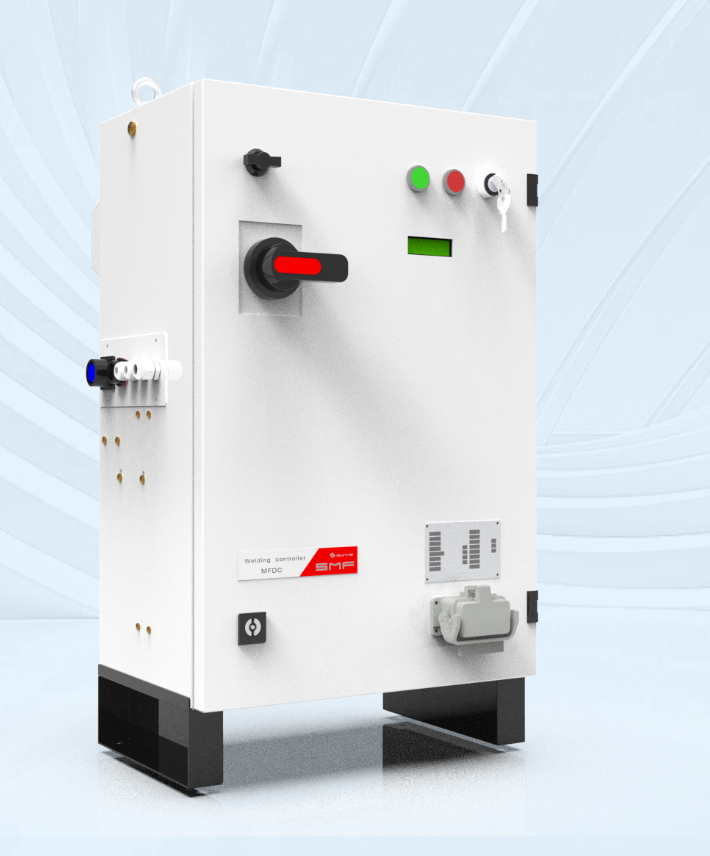
Clear problem, clear gains
Manufacturers lose time and money when welds vary, electrodes overheat, or power delivery drifts. A properly specified resistance welding transformer addresses those exact faults: consistent current, repeatable thermal cycles, and predictable duty performance. This piece follows a problem-driven line — identify the failure modes that hurt production, tie each to what the transformer must do, and show where value accumulates.
Where the problems hurt most
When welding processes misbehave, the consequences are immediate: scrap rates rise, maintenance spikes, and line takt slips. Common hotspots include:
– Sheet-to-sheet spot welding on mixed gauges: current distribution changes with material thickness and surface condition. – High-volume automotive spot schedules where cycle time is strict and electrode life matters (a familiar pressure in Detroit automotive plants). – Battery tab welding and tight-tolerance assemblies that demand precise, low-energy pulses. – Retrofit projects that pair old presses with modern controls and need transformers that behave predictably under new control schemes.
Use cases where the transformer delivers measurable value
Match the machine problem to a transformer capability. These pairings show how the component creates the most value:
– Repeatable spot placement: transformers with low-loss cores and accurate tap selection reduce variance between welds. – Long electrode life: controlled secondary current and stable contact resistance cut electrode wear. – Faster job changeovers: tapped windings and compact designs let technicians adapt current quickly without hardware swaps. – Energy and thermal limits: transformers with proper cooling and rated duty cycle prevent thermal derating during surge production.
Choosing the right transformer — practical checklist
Don’t guess. Inspect for these attributes before you commit:
– Duty rating that exceeds peak demands, not just nominal load. – Tap or stepless adjustment that maps to your process window. – Robust secondary connections to minimise contact resistance. – Effective cooling: oil or forced-air options sized for your duty cycles. – Clear electrical drawings and EMF/grounding guidance to ease integration.
Spot welding transformer and control pairing
Transformer choice is inseparable from control strategy. A modern controller will only perform if the power source delivers consistent pulses. For many assemblers, a stable spot welding transformer combined with bang-bang or microsecond pulse control gives the best mix of speed and repeatability. If you get the transformer wrong, no controller will compensate for poor current shape or excessive stray impedance.
Common mistakes that cost production
Avoid these predictable errors that derail projects:
– Selecting by price alone and ignoring duty rating. Cheap units overheat quickly. – Treating tap settings as a fine-tuning afterthought rather than a process parameter. – Skipping installation checks: grounding, secondary joint integrity, and cooling flow are frequent culprits. – Underestimating mixed-material jobs — different alloys change contact resistance and need wider adjustment range.
When alternatives make sense
If your process demands ultra-short, high-energy pulses or capacitor-driven impulse welds, a transformer-based supply might be the wrong tool. Thyristor-controlled transformers, inverter-fed weld systems, and capacitor-discharge machines each have niches. Choose the alternative only when its pulse shape, energy density, or integration advantage maps directly to the weld requirement — otherwise you lose reliability for marginal gains.
Practical integration tips from experience
Teams that see steady results follow a few simple habits. Log electrode life against tap position for several runs, and treat the log as configuration control. Confirm cooling paths under full load, not just idle. Calibrate current sensors periodically rather than on a schedule; use outcome-based triggers. These steps come from hands-on shop-floor practice and from engineers who run production cells day to day.
Concluding synthesis
Focus on the problem first: inconsistent current, overheating, or poor adaptability. Pick a transformer that matches the duty, offers clean tap control, and integrates into the control scheme; then fix installation details that actually break systems. That pragmatic approach is exactly the sort of engineering-minded clarity Sunke supplies to machine builders and production engineers looking for reliable, predictable spot welding performance.