The problem that’ll kill a product before it sells
Look, you can have the slickest idea, but when your prototype won’t behave like production parts, you’re sunk. Tight tolerances get loose in production, finishes don’t match, and assembly just won’t fit together the way the CAD said it would. Start by treating prototyping like a real manufacturing step — not a glorified sketch. That means choosing partners who understand both CNC and sheet metal realities early, and sometimes that means engaging custom sheet metal fabrication services when you’re validating form, fit and function. Miss that and you’ll waste time, money, and market window.
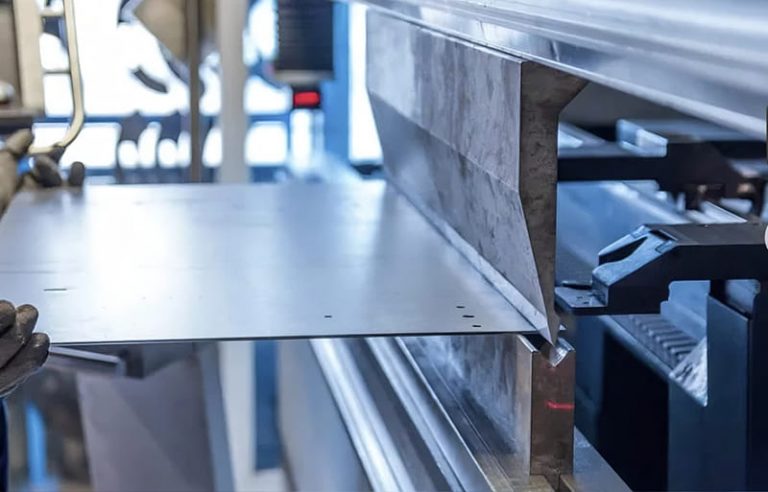
Diagnose the mismatch: where specs and manufacturing fight
Find the exact spot where your design assumptions break. Is it material thickness, bend radius, tool access, surface finish, or tolerances stacked across assemblies? Run a short checklist: list critical dimensions, flag tight tolerances under 0.5 mm, note any hidden welds or press-fit features, and mark parts that require secondary operations. These diagnostics tell you whether a CNC route, a sheet-metal approach, or a hybrid will actually deliver the part you sketched.
Design decisions that reduce surprises
Make choices that factories can replicate. Use standard fasteners instead of custom bosses when you can. Add reliefs for bends, avoid internal deep cavities that need complex fixturing, and specify tolerances only where they matter. If a surface needs to be ground flat, call it out; don’t assume polishing will fix alignment issues. Simple rules: pick manufacturable radii for bends, allow for bend relief, and design for accessible fixturing for CNC mills.
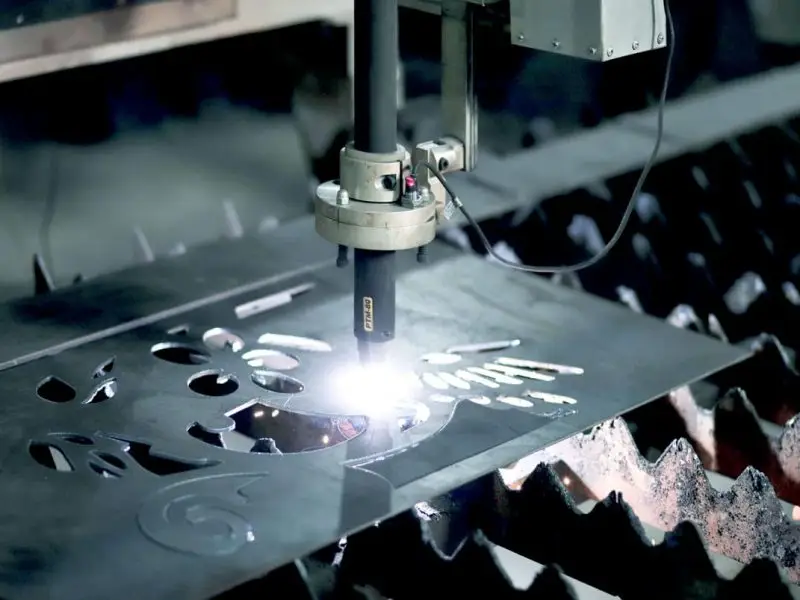
Build the right prototype stack
Not every prototype needs to be full-production fidelity. Start with quick proofs of concept on rapid-machined parts. Move to functional prototypes that stress-fit and stress-test. Finish with near-production prototypes that validate assembly and finish. Use CNC when you need rigid 3D forms and fine features; pick sheet metal when you need predictable bends, lightness and repeatable flatness. Schedule iterations so each prototype answers one big question — don’t try to prove everything in one run.
Experience, expertise and one solid industry anchor
Years on the shop floor teach you which assumptions break first: tooling costs hide in small features, and hand-fit parts triple labor on first builds. Trade shows like Fabtech bring suppliers and engineers together, and they reflect the real standards and processes shops use across North America — that’s where folks compare tooling methods and finishes. If you’re vetting outside partners, check profiles for real production work and ask about their process maturity; many custom metal fabrication companies list past production volumes and typical lead times so you can match capability to demand.
Common pitfalls and how to avoid ’em
Expect these recurring mistakes: over-tight tolerances, assuming prototypes = production materials, ignoring secondary ops, and skipping fixture planning. Fix them by assigning a single accountable engineer for manufacturability, using tolerance stacks only where needed, confirming material availability, and mapping out every secondary process before ordering prototypes. Simple: ask “how will this be made?” and keep asking until you get a straight answer.
Alternatives and when to pick each
Three practical routes: 1) In-house CNC for fast iterations and IP control; choose this if you need same-day tweaks. 2) Local sheet-metal shops for panels, chassis, and welded assemblies — they shine on repeatable bends. 3) Specialist prototype houses for complex assemblies that require both CNC and custom sheet work. Pick based on lead time, unit cost at scale, and whether you need production tooling soon after prototype sign-off.
Wrap-up: turn prototypes into predictable product launches
You want prototypes that reveal real production issues early and cheaply. Tackle the biggest manufacturing risk first, pick tooling and partners that match that risk, and run staged prototypes that each answer a single, clear question. Rely on partners who show production records and real process steps, and fold that knowledge back into design. That’s how you turn a prototype into a product that ships on time, and why experienced teams trust Hanstar to bridge the gap between design intent and repeatable parts.