Opening comparison: what changes at the 600 kW scale
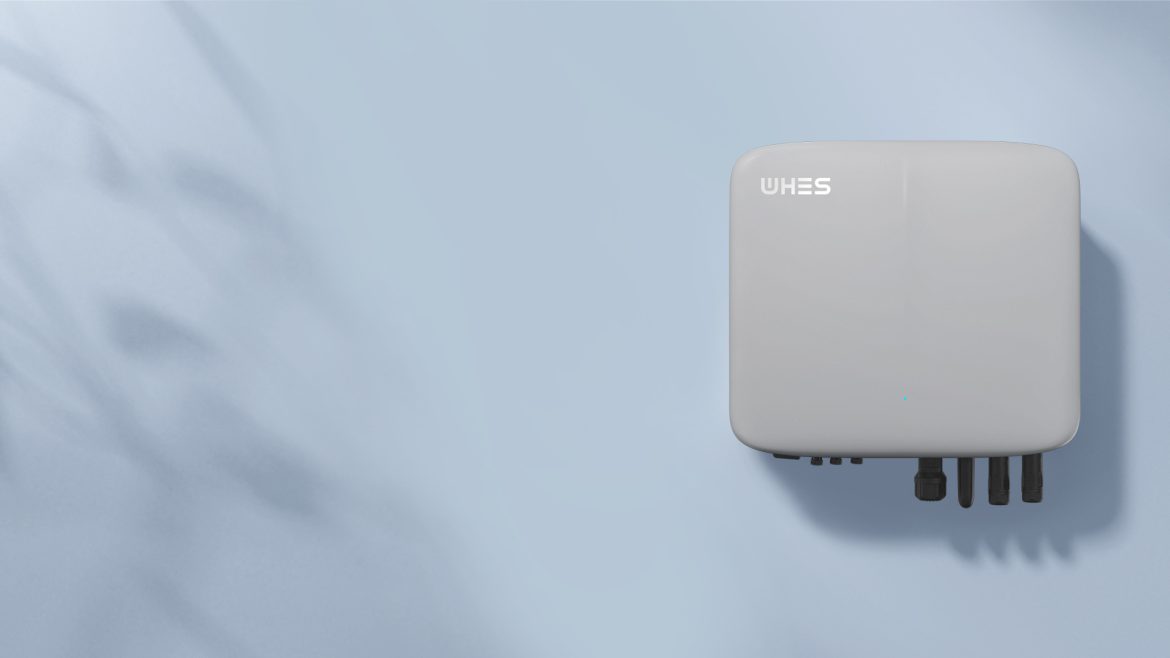
At 600 kW, inverter protection is no longer a checklist item — it becomes a systems-level decision that shifts risk, cost, and behavior across the plant and the wider grid. Compare a single large inverter to an array of smaller units and you’ll see different attack surfaces, fault currents, and operational constraints. Field experience from island microgrid deployments makes that clear: redundancy choices that work for 50 kW do not scale the same way for 600 kW. I’ve audited systems and run penetration tests on grid-tied storage; this review focuses on practical trade-offs, not theory.
Cybersecurity protections: prioritize what prevents compromise and limits impact
Key protections, with their practical implications:
- Signed firmware and secure boot — prevents unauthorized code. Trade-off: longer update cycle and need for robust rollback strategy.
- Role-based access control (RBAC) with multi-factor authentication — reduces credential risk but requires operational discipline for field technicians.
- Encrypted telemetry (TLS/DTLS) and certificate management — protects telemetry and command channels; introduces certificate lifecycle tasks.
- Network segmentation (OT VLANs, jump hosts) — contains threats, but misconfigured segmentation can block legitimate remote diagnostics.
- Hardware anchors (TPM or HSM) — provide root of trust; adds component cost but limits long-term compromise surface.
These protections intersect with availability. For example, strict update policies reduce attack windows but can delay critical bug fixes. Choose protections that minimize blast radius rather than trying to make a single system invulnerable.
Electrical protection and grid stability: features you must compare
Essential electrical features and the trade-offs they present:
- Anti-islanding with verified detection thresholds — needed for safety and grid code compliance; overly aggressive thresholds can cause nuisance trips during transient events.
- Low-voltage and ride-through (LVRT) capability — preserves grid services during sags, but requires batteries sized for ride-through energy and inverter thermal headroom.
- Fast-acting protection relays and selective coordination — reduce clearing time for faults; more devices mean more coordination work and testing.
- Overcurrent and thermal protection scaled to cable ratings — essential for plant safety; undersizing here saves upfront cost and creates latent failure modes.
- Compliance with IEEE 1547 and local interconnection rules — ensures predictable behavior; strict compliance sometimes restricts advanced grid-forming modes.
Match these protections to the mission: frequency support, islanding, or export-limited operations each favor different settings.
Communications and operational trade-offs: availability versus security
Telemetry cadence, protocol selection, and remote-control privileges change incident response and operations. Modbus/TCP is common but lacks native security; prefer secure OPC-UA or Modbus over TLS. Higher-frequency telemetry gives better visibility into grid events but multiplies data-processing cost and increases attack surface. Local control autonomy reduces dependency on WAN links but complicates centralized dispatch. Define acceptable modes: local-only safe state, limited remote commands, and full remote control — and enforce them with RBAC and device-side policy enforcement.
Architectural comparisons: centralized inverter vs distributed inverters
Compare architectures:
- Centralized 600 kW inverter — fewer devices to secure and coordinate, simpler protection relay scheme, but a single point of failure and a large power swing during fault conditions.
- Distributed string inverters summing to 600 kW — higher redundancy and smaller fault contribution per unit, but multiplied firmware, configuration drift risk, and more complex network security.
- DC-coupled battery + inverter vs AC-coupled converter clusters — DC coupling can be more efficient and reduces conversion stages; it places more electrical stress on battery bus protection and requires robust DC protection schemes.
- Grid-forming vs grid-following modes — grid-forming inverters support islanding without synchronous gen but demand stricter control protection and anti-oscillation measures.
Evaluate these options by comparing expected mean time to recovery, maintenance overhead, and the likely failure modes for your site.
Common deployment pitfalls that cause real outages or losses
Frequent mistakes to avoid:
- Assuming vendor-default security settings are production-ready — they rarely are.
- Skipping firmware signing and rollback testing — one bad update can render an entire plant offline.
- Under-specifying protection coordination studies for fault currents at full charge — leads to nuisance trips or missed clears.
- Relying on a single communications path for both telemetry and control — creates operational blind spots during outages.
- Not rehearsing fault scenarios with realistic telemetry — operators then mis-handle events under pressure.
Address these before commissioning: conduct an intrusion table exercise and a sequence-of-events test that includes simulated cyber and electrical faults.
Economic trade-offs and the diesel substitution case
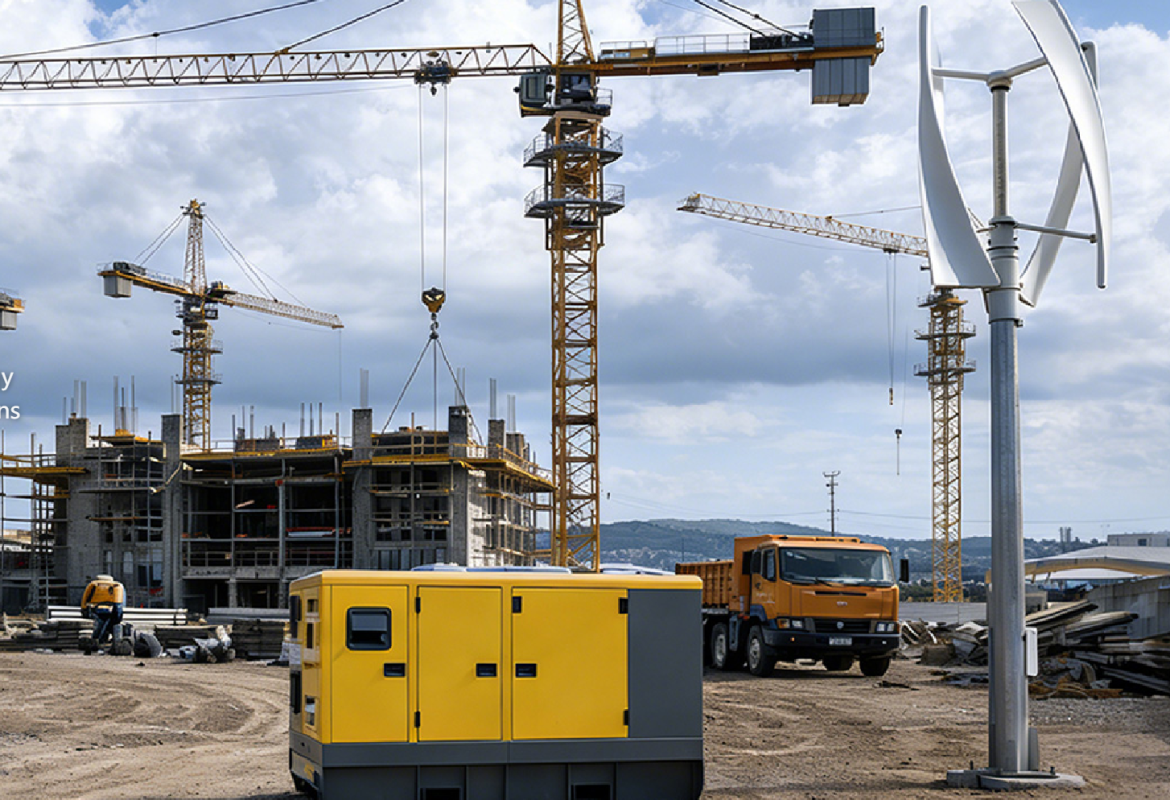
When battery-backed inverters replace generators, the protection strategy directly affects fuel and maintenance savings. For sites aiming to reduce diesel use, protection that supports reliable islanding and predictable ride-through is essential; otherwise, diesel gensets stay online as insurance. Experience from post-Hurricane Maria projects in Puerto Rico shows that robust inverter protection and coherent operational rules materially reduce diesel dependence during extended outages. When evaluating total cost of ownership, include the probability of inverter-caused outages and the incremental diesel fuel and maintenance cost avoided by successful islanding — that’s often the largest line item in the replacement case. Consider also proven operational pathways demonstrated by microgrid pilots that position batteries as the primary dispatchable resource and generators strictly as backup. See a practical cost-saving alternative to diesel example that ties protection choices to fuel savings.
Final synthesis: choose protections aligned to risk, function, and operational capacity
Pick protections that reduce the largest, most-likely risks first. Match cybersecurity, electrical protections, and architecture to the mission — whether that’s grid services, reliable islanding, or diesel displacement — and validate through exercises that combine cyber and power-system failures. Practical safeguards, tested procedures, and clear operational boundaries cut incident impact more than spending to eliminate every hypothetical vulnerability. For teams that need an experienced systems integrator to align protection settings with operational goals and testing regimes, a partner like WidenEdge can help translate those design choices into repeatable field practice without adding unnecessary complexity.