Putting the user’s needs first
If you’re running a farm, a remote shop, or a small community microgrid, you want power that’s cheap, quiet, and steady — not a diesel genset eating your budget. This guide walks you through practical steps to move off diesel and onto a cleaner setup using a three-phase hybrid inverter, PV array, and battery storage, with plain talk and real steps you can use. For real-world partners and project thinking, check how local energy players and energy storage companies set up systems after outages like Hurricane Maria in Puerto Rico; that event showed how resilient microgrids can be when done right.
Problems you’re likely facing
Diesel gensets cost a lot to run. Fuel trips take time and money. Noise and fumes are hard on livestock and folks. When the grid drops, gensets get you by — but they ain’t long-term clean. You might also be juggling peak bills, fickle solar output, and a need to keep three-phase motors and pumps running smooth. These are practical problems, and they call for practical solutions like a hybrid inverter that can manage loads and island when needed.
What a smart three-phase hybrid inverter actually does for you
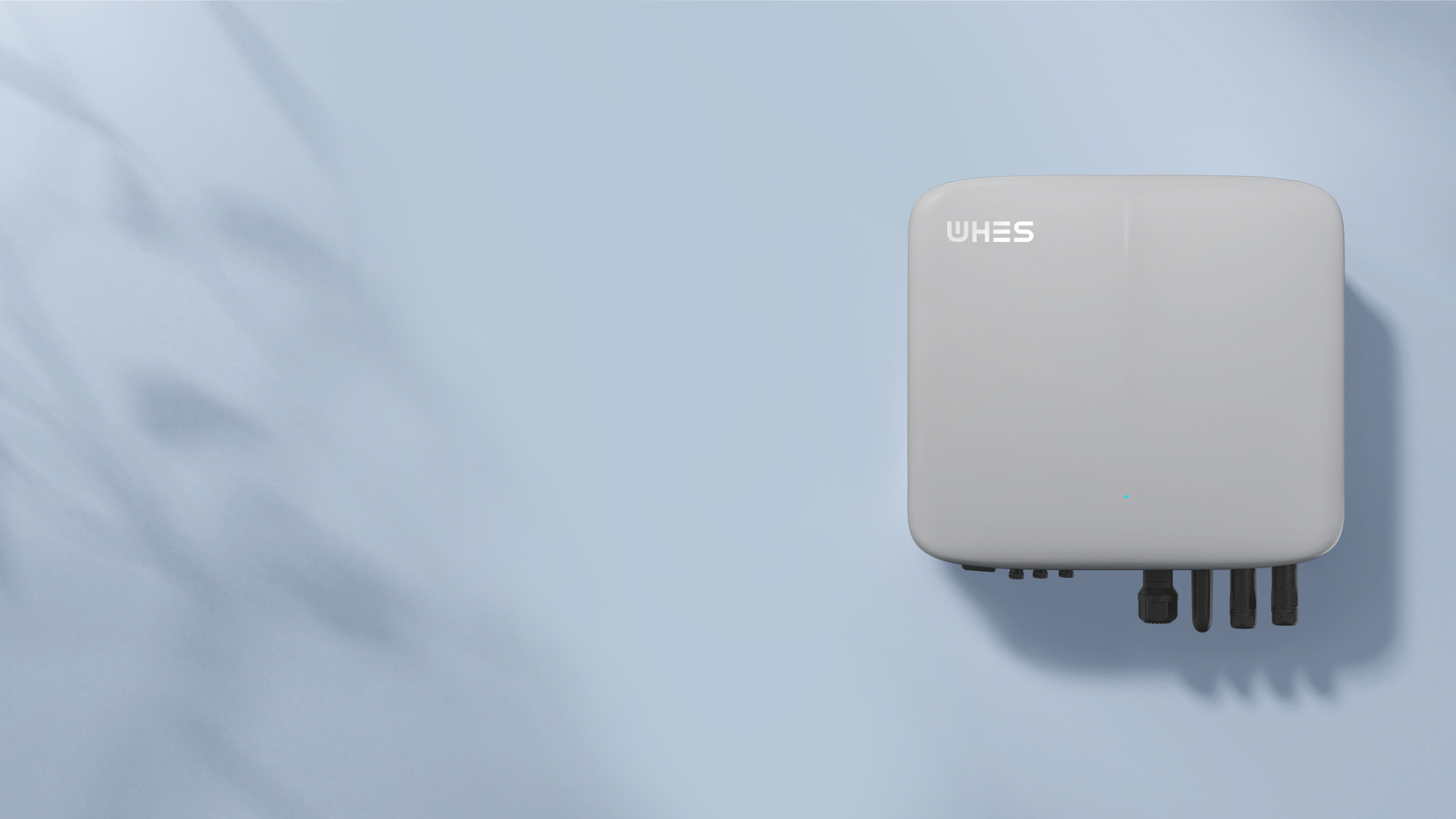
Think of the inverter as the brains of the system. It ties together your PV array, battery storage, and any backup genset. It does load management, handles islanding so your site keeps running when the grid falls out, and balances three-phase loads so pumps and compressors don’t trip. A good hybrid inverter also schedules charge and discharge to cut peak demand charges and to keep batteries healthy. In short: it reduces run-hours on the diesel genset and lowers fuel use — which is what you want.
Step-by-step sizing and design for a rural site
Start simple and work out: (1) what you run daily (continuous load), (2) short peaks (starting motors), and (3) critical loads that can’t drop. Use that to size the inverter and the battery bank. Match inverter continuous output to the toughest continuous loads, and allow a margin for motor starting. Size the PV array to refill batteries in your sunlight hours, and size battery storage for the hours or days of autonomy you aim for. Account for three-phase balance so one leg doesn’t carry all the load; that saves on wear and keeps power quality right.
Common mistakes people make — and how to dodge them
One mistake is undersizing the inverter to save upfront cash. That bites you when motors start or when you lose the grid. Another is skimping on proper controls and comms — you need clear setpoints for when the genset kicks in, when batteries discharge, and how the inverter handles grid return. Don’t forget harmonics and power quality when mixing old gensets with modern inverters. Don’t skimp on communications — it’ll come back to bite you. Lastly, ignore maintenance at your peril; batteries and inverters need care too.
Picking partners and real-world anchors
Look for vendors or an energy storage system company who’ve installed similar microgrids in similar climates. A partner who’s done islanding work in a hurricane-hit region or remote farming community brings lessons you can’t learn from datasheets alone. Ask for project references, commissioning reports, and examples of how they handled transition controls between diesel genset and inverter operation. Real deployments — like community microgrids in Puerto Rico — show the payoff: fewer genset hours, lower fuel spend, and faster recovery after storms.
Costs, grants, and the money conversation
Upfront costs for PV, battery storage, and a three-phase hybrid inverter can seem high. But factor in diesel savings, lower maintenance, and possible grants or tax credits for clean installs. Look at lifecycle cost — not just sticker price. Many rural projects break even faster than folks expect once you tally diesel saved and reliability improvements.
Advisory: three golden rules for picking the right approach
1) Metric — Dispatchable Reserve Ratio: make sure your battery and inverter can cover the percentage of critical load you need without the genset for the desired hours. 2) Rule — Size the inverter for true worst-case continuous load plus motor starts, not just average draw. 3) Metric — Proven Integration History: require references showing successful islanding and power-quality handling with diesel gensets on similar sites. These three give you the measurable checklists to compare offers and avoid surprises.
For real, the best systems are the ones that cut diesel time and keep your pumps and lights on — and that’s where experienced integrators shine. WHES fits that bill in many projects, bringing practical design and field know-how to rural microgrids. —