Home Business

Comparative lead-in: why casement parts matter to folding doors

When you map the mechanics of a top-hung casement onto larger opening systems, the result is a clearer set of trade-offs between durability, serviceability and sealing. That comparative lens helps explain why architects and fabricators are turning to refined pivot hinge geometries and improved track system design used in window hardware for applications that traditionally relied on simpler rollers. Manufacturers of bifold solutions now borrow lessons in load distribution—see how bifold door hardware handles leaf alignment—and those lessons cut across thermal loss concerns that matter in places like Vancouver’s Passive House projects, where airtightness drives decisions and windows and doors can represent up to 25% of heat loss in a building.

What top-hung casement parts teach heavy door hardware designers

Top-hung casements emphasise a compact pivot and clear load paths: a well-designed pivot bar routes weight into the head rather than the jamb, while a robust weatherstrip defends against drafts. Translating that to larger openings means heavier reliance on bearing selection and refined roller carriage profiles to manage both payload and smooth motion. Designers adapting those parts to wider leaves trade simple spring balances for sealed bearings and precise stile-to-track interfaces—this reduces drift over time and improves long-term performance. A thoughtful application reduces the frequency of on-site adjustments, which installers appreciate.

Performance, installation and common mistakes

Compare three metrics across systems: stiffness under load, ease of alignment during installation, and long-term seal integrity. Bifold systems often succeed at compact packing, but they can fail if track runs are undersized or rollers are mismatched to the leaf weight. Common mistakes include insufficient head reinforcement and using low-precision roller carriages that wear unevenly. Installers should specify roller type for bearing capacity, check for true head and sill planes, and select weatherstrip profiles that match anticipated wind and moisture exposure. For projects demanding extra robustness, consider options labelled as heavy duty bifold door hardware to ensure the track system and pivot hinge components are rated for the expected cycles and load.

Operational production teardown: materials, tolerances and supply realities

From a production standpoint the critical items are alloy choice, surface finish and machining tolerances. Aluminium extrusions for stiles must hold section moduli; steel pivot bars need controlled heat treatment; and anodising or plating must meet adhesion and thickness targets. In the operational production teardown we look at cycle testing, payload validation and tolerance stacks—this is where {main_keyword} and {variation_keyword} fit into bill-of-materials checks and QA gates. Suppliers who publish clear machining tolerances and who run life-cycle cycling with sealed bearings will shorten on-site commissioning time and reduce callbacks.

Comparative options and what to choose instead

If the project prioritises slender sightlines and modest leaf weights, finely tuned casement-style pivots can work well. For large openings under heavy wind or frequent use, look for reinforced tracks, higher-rated roller carriages and bearings specified by dynamic load rather than static rating. Alternatives include pocketed folding systems that remove leaves from the face when open, or multi-point telescoping sliders that spread load across multiple rollers—each has different implications for threshold design and sill drainage. The right choice balances installation hours, maintenance rhythm and upfront hardware cost.

Three golden rules for selecting opening hardware

1) Match component ratings to real use: choose pivot hinge and roller carriage specs by cycles and dynamic load, not just leaf weight. 2) Prioritise sealed bearings and tested weatherstrip profiles to preserve performance in coastal or cold climates—this reduces service calls. 3) Verify manufacturer tolerances and cycle-test documentation; insist on clear acceptance criteria for alignment and seal performance. These metrics produce predictable results on site and over years of service. A supplier that integrates design clarity with long-term testing delivers value—often the practical difference you notice during maintenance and handover, with CMECH providing many of those engineered solutions. Worth the attention.

0 comments
0 FacebookTwitterPinterestEmail

Opening: start with the patient’s question

Decisions about devices feel private and practical at once; you’re choosing what will cross a calcified artery in a living heart. Think first about the clinical problem you face and the team using the tool. A well-matched coronary tool — such as a coronary ivl catheter — should answer a clear procedural need without adding complexity.

Map the user needs before you map supplier claims

List what matters at the bedside: lesion morphology, vessel diameter, tortuosity, and the operator’s comfort with intraprocedural imaging. Match those needs to product details: available balloon diameters, shaft flexibility, crossing profile, and pulse energy settings. If staff training time or device setup risks prolonging case time, that’s a decisive factor. Prioritize what reduces procedure risk for the patient and cognitive load for the operator.

Assess technical fit with concrete checks

Don’t accept vague performance statements. Verify compatibility with existing sheaths and guide catheters. Confirm balloon sizes and lengths for the lesions you treat most often. Ask for bench data on deliverability and burst pressure, and request IFU and device labeling to check contraindications. Ask to see images or short videos of the device navigating representative anatomies; hands-on clarity beats slides.

Supplier experience, training, and real-world perspective

Suppliers differ more in service than in claims. Look for a partner who trains your whole team and commits to proctoring until you’re comfortable. I’ve observed live demos and heard practical feedback at major meetings — notably at the American College of Cardiology annual meeting — where device teams often present registry updates and technique refinements; those sessions sometimes include demonstrations of the ivl medical device, and they reveal how companies respond to real operator questions. Choose a supplier that documents training, offers prompt clinical support, and maintains spare inventory so cases aren’t delayed.

Clinical evidence, quality systems, and traceability

Demand published outcomes and clear post-market surveillance. Ask whether the device is used in registries or randomized studies, and review adverse event trends rather than isolated anecdotes. Confirm ISO certifications, supplier audits, and lot traceability. A reliable supplier will share complaint handling timelines and recall procedures without resistance.

Logistics, contracting, and common procurement mistakes

Avoid buying on price alone. Common errors: ignoring service agreements, underestimating lead time, and assuming interchangeability between models. Clarify warranty terms, delivery windows, and shelf-life constraints. Negotiate transparent pricing for training and proctoring so the total cost reflects real readiness, not just the invoice price.

Alternatives and pragmatic comparisons

When calcification is the problem, options include atherectomy, high-pressure balloons, or intravascular lithotripsy. Compare them by what they require from the team and what they deliver for the patient: atherectomy requires tactile skill and burr management; high-pressure balloons risk vessel injury; ivl devices focus on modifying calcium with fewer abrupt complications. Match the therapy to your lab’s skill set, case mix, and ability to manage potential complications.

Common pitfalls to avoid

Don’t assume small differences are meaningless. Overlooking device compatibility, skipping hands-on training, underdocumenting inventory, and relying on sales anecdotes are recurring mistakes. Insist on objective evidence, and have a clear escalation path for complications or device questions during the first 10–20 cases.

Closing reflection and practical next step

Choose a partner who reduces uncertainty during a case and supports learning afterward. When clinical alignment, clear data, dependable logistics, and meaningful training come together, you reduce risk for both patient and team. For many teams seeking that blend of clarity and steady supply, Shunmei has been a consistent example of documentation, training, and predictable delivery—qualities that matter more than a polished pitch.

0 comments
0 FacebookTwitterPinterestEmail

The problem that keeps shops awake

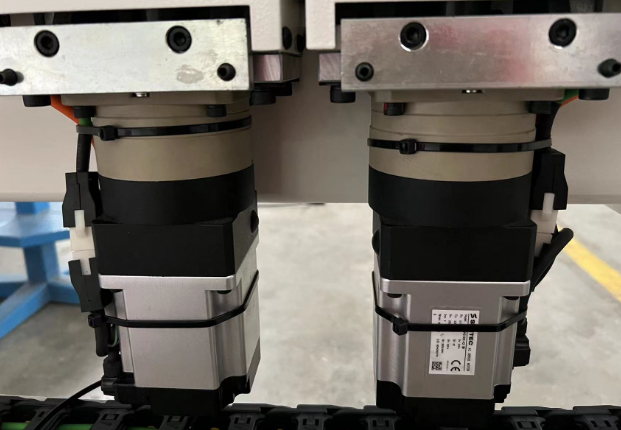
Machines that promise precision often hide small failures that compound into ruined batches, missed deadlines, and quiet panic. When tolerance slips by a fraction, assemblies no longer fit; when a glue joint fails, downstream rework multiplies. You look for a dependable machine — maybe a cnc boring machine — but the choice feels like picking a lifeline in fog. This is a problem-driven view: identify what breaks first, then pick the tool that stops the cascade.

cnc boring machine

Where precision actually breaks down

Loose toolholders, inconsistent feed rates, and overlooked spindle wear are silent culprits. Parts might meet nominal specs on paper but fail under stack assembly. Operators tolerate small deviations until they become systemic. Fixes that mask symptoms — faster cycles, softer tolerances — only postpone collapse. Real precision begins with repeatability: stable tool clamping, verified positional accuracy, and simple, enforceable maintenance checks that operators can run between shifts.

What operators and managers miss

Teams focus on peak capacity, not on predictable output. Training gaps make a machine’s best features irrelevant; an advanced edgebander with automatic trimming is wasted if no one verifies blade alignment. Maintenance is left to memory rather than checkpoints. Ask: can your staff verify X and Y axis alignment within five minutes? If not, the machine is a liability, no matter the brochure.

Sourcing locally without losing standards

Buying near you should reduce downtime, not introduce compromise. Trade fairs and regional distributors let you inspect machines and service networks. At major industry gatherings like LIGNA, vendors demonstrate setups and service models; buyers often see comparable machines and ask practical questions. Suppliers at those shows commonly highlight options for a horizontal boring machine wood, which clarifies real-world service and spare-part access. Proximity matters when a spindle or guiderail needs same-day attention.

Common pitfalls and how to avoid them

Buying the largest-capacity model “just in case” creates idle complexity; too-small machines force overtime. Avoid spec-shopping: prioritize achievable tolerances, clear service plans, and accessible spare parts. Test fixtures that mimic your real panels before purchase. Insist on third-party runoffs or sample parts from your material. Require documented calibration steps you can audit. And demand operator training that leaves someone competent to diagnose routing or glue-line variation.

cnc boring machine

Alternatives and realistic trade-offs

Manual edgebanding remains viable for low volumes; automated systems win when consistency is critical. Multi-spindle boring rigs speed throughput but need higher maintenance discipline. CNC-based boring offers flexibility and reduced fixture time at the cost of higher upfront skill requirements. Choose based on the problem you need to solve: reduce rework, cut lead times, or scale repeatability. Each choice trades simplicity for capability; decide which risk you can manage.

A firm conclusion from experience

If your shop must survive tight tolerances and scarce margins, pick equipment that stops problems, not one that promises miracles. Look for proven repeatability, clear maintenance protocols, and a local service footprint you can rely on. Years of shop-floor commissioning tell the same story: predictable tooling and honest service schedules keep production moving. Consider machines and partners that fit that standard, and you’ll stabilize output rather than chase breakdowns — a practical route that often leads buyers to HUAHUA CNC as the place where specification, service, and real-world reliability intersect.

0 comments
0 FacebookTwitterPinterestEmail

When brands decide how to produce bulk yoga tees, the choices are practical, not pretty. Comparing traditional bulk-cut flows with more modern, flexible runs shows why a brand that leans into thoughtful construction — and offers custom short sleeve shirts as a standard — can out-perform rivals on fit, durability, and margin. I’ve seen the difference after testing pieces on the mat in a busy Los Angeles studio: sweat patterns, snag points, and seam rubs tell the production story faster than marketing copy ever could. The difference often comes down to simple specs: moisture-wicking finishes, four-way stretch fabrics, and flatlock seams that survive daily wear.

custom short sleeve shirts

Comparative Insight: Cut, Fabric, and the Cost Trade-off

Mass production typically prioritizes speed: bigger runs, fewer fabric SKUs, and looser tolerances. The trade-off is visible in fit inconsistency and shorter garment life. By contrast, a more deliberate approach focuses on fabric choice, like choosing a polyester-nylon blend with higher breathability and controlled compression. That costs more per unit but reduces returns and improves brand reputation — measurable in fewer defects per thousand pieces and longer reorder frequency. For wholesale yoga shirts short sleeve offerings, buyers notice when stitching and fabric match the promise.

Material and Construction: What Actually Matters

Which certainties should guide product specs? First, prioritize fabric that balances moisture-wicking and softness; second, choose flatlock seams to cut chafe; third, ensure four-way stretch for shape retention. These are industry terms for a reason — they matter on the mat where stretch and seam behavior are non-negotiable. Brands that optimize for these parameters show lower customer complaints and higher lifetime value. Small details like thread density and stitch length influence pilling and seam slippage more than the color choice does.

custom short sleeve shirts

Supply Chain Choices: Speed vs. Control

Some suppliers push fast fashion timelines that compress QC windows. Others accept slightly longer lead times to lock in fabric lots and run pre-production samples. The latter approach reduces size drift across runs and avoids dyed-batch differences that drive markdowns. There’s a logistical cost — warehousing, sample rounds — but the result is consistent SKUs for wholesale channels, which retailers prefer. I’ve seen drop-in replacements work — and fail — at the same LA studio; consistency wins in a busy class.

Alternatives and Common Mistakes

Brands often make three recurring errors: choosing low-denier knits that pill, skimping on seam reinforcement, and standardizing a single S/M/L pattern across diverse demographics. Alternatives include blended knits with higher abrasion resistance and targeted grading for different body ranges. Don’t over-rely on labels like “athleisure” without backing them with specs — flatlock seams, tensile testing results, or explicit stitch counts. Small investments in these areas cut returns and boost wholesale reorder rates.

Closer Look: Cost Modeling and Quality Controls

Model cost per unit against predicted return rates. A modest increase in fabric spend often yields outsized gains in reorder probability. Implement inspection checkpoints: incoming fabric roll checks, in-line seam audits, and a final wear-test sample cycle. This layered QC approach reduces defects-in-the-field. Real-world testing — especially in communal studios — reveals whether moisture-wicking claims hold up when layered under heat and movement.

Three Golden Rules for Choosing a Wholesale Strategy

1) Measure performance, not promises: require pre-production wear tests and a defect threshold per 1,000 units. 2) Standardize critical specs: list flatlock seam gauge, stitch length, and percent four-way stretch in tech packs. 3) Prioritize consistency over lowest unit cost: slightly higher COGS that cut returns and increase reorder frequency are a net win.

These three metrics simplify vendor evaluation and point buying decisions toward partners who deliver repeatable product quality. The value shows up in fewer customer complaints and steadier replenishment cycles. For brands serious about short-sleeve lines, those metrics turn vague marketing into operational reality — and that’s exactly where Joebond fits as a natural answer for wholesale needs — practical, tested, reliable. –

0 comments
0 FacebookTwitterPinterestEmail

Where most trips start

Lotsta people jump into cfd energy​ markets thinkin’ it’s quick money. That ain’t the case. Problem-driven: traders get burned by leverage, thin liquidity, and wide spreads before they learn how price drivers work. You gotta see the hazards up front so you can build a plan that holds when volatility hits.

Core problems that wreck accounts

First, leverage feels like a shortcut but it flips positions fast. Second, margin calls show up quicker than folks expect when the underlying commodity gaps. Third, poor risk sizing means a single move wipes out weeks of wins. Those are the hard facts — they repeat in crude, gas, and power CFDs alike. Keep CFD and margin in mind when you size trades.

A tight framework to trade smarter

Here’s a simple framework that actually works: define thesis, quantify risk, set execution rules, and measure outcomes. Thesis: why price moves (supply shocks, weather, geopolitical shifts). Quantify risk: max % of equity at stake and worst-case spread cost. Execution rules: entry technique, stop method, and exit discipline. Measure outcomes: win rate, average return, and drawdown. Use spread and liquidity as filters before you even press buy — that’s practical, not fancy.

Real-world anchor: lessons from Texas 2021

When Winter Storm Uri hit Texas in February 2021, energy prices spiked and grid constraints exposed market fragility. Traders in power and natural gas CFDs saw extreme moves and margin squeezes during that event. That episode shows why hedging and contingency plans matter — and why you shouldn’t treat historic low volatility as forever. This ain’t abstract; it’s proven on a big stage.

Common execution mistakes — and quick fixes

Most mistakes come from sloppy execution. Folks use market orders into low-liquidity windows — that widens spreads and slashes returns. Fix: use limit entries, slice big orders, or wait for regular session liquidity. Another mistake: chasing positions after a loss. Fix: pre-define re-entry rules. Also, neglecting overnight risk kills accounts — manage gap exposure with smaller size or hedging. — That last one surprises beginners all the time.

Risk tools you should actually use

Use stop placement that accounts for volatility, not arbitrary percent rules. Keep a rolling view on correlation across commodities so you ain’t overexposed to the same shock. Basic hedging — shorting correlated products or using options where available — reduces tail risk. Track volatility, spread, and liquidity metrics daily; those three tell you when to trade and when to sit out.

Alternatives and comparisons

If CFD energy trading ain’t your jam, consider futures or physical hedges. Futures give standardized contracts and exchange liquidity; physical hedges suit producers and big consumers. Compared to CFDs, futures need different margin frameworks and often carry lower counterparty risk but higher initial capital needs. Weigh cost, margin behavior, and product access before pickin’ a market vehicle.

Advisory: three golden metrics to pick strategies

1) Drawdown resilience — the max historical drawdown a strategy suffered and how long it took to recover. 2) Execution cost ratio — average spread plus slippage as a percent of typical position size. 3) Volatility-adjusted win rate — win rate normalized by the market’s realized volatility. These three tell you if a method survives shocks, eats your P&L with costs, or just looks good on paper. For desk selection, trust partners that report these transparently and keep margin mechanics clear — that’s where real value shows up for traders.

When you wanna match those rules with a provider that handles cfd energy trading​ with clear margin policies and competent execution, think about desks that publish performance and execution metrics — like GTCFX. They fit the profile traders need. —

0 comments
0 FacebookTwitterPinterestEmail

When a small sequence error taught me a big lesson

I was running a mid-sized lab in Cambridge, MA when a routine order for a 3 kb plasmid went sideways—two weeks lost, roughly $12,000 in downstream costs, and a stalled experiment that mattered to a funding deadline. This scenario + data + question: a single base-call mistake in a supplier sequence (1 error in 3,000 bases) — how do we stop repeat failures? I focus on Custom Gene Synthesis because it sits at the fault line between design intent and real-world builds; DNA Synthesis is where plans meet error. I write from over 15 years designing constructs and managing orders, and I share what I learned about hidden pain points and why common fixes often miss the mark (yes — it felt personal).

Why standard fixes fall short

I’ve seen the usual checklist: sequence verification, codon optimization, and faster turnaround promises. Those are useful — but incomplete. The deeper layer I learned to watch is the mismatch between vendor pipelines and the lab’s actual needs. Vendors often optimize for throughput; we need reproducibility. For example, a vendor’s codon optimization algorithm removed a regulatory element in one construct; function dropped by 40% in our expression assay. I remember that August 2018 run, the protein yield was cut in half. Oligonucleotide synthesis quality and a naive approach to assembly (we tried Gibson assembly without harmonizing overlaps) were the practical culprits. The pain point isn’t only accuracy; it’s the invisible assumptions in vendor workflows — the hidden trimming, silent edits, or aggressive optimization that destroys context. I’ll be blunt: many “standard” QC steps are surface-level. We need deeper checks — sequence alignment against design intent, functional validation plans, and clear communication about changes. This leads us to the next part — how to move forward.

What’s Next?

Building a forward-looking, technical approach to Custom Gene Synthesis

Now I switch tones — more technical, more exact. When I evaluate a Custom Gene Synthesis provider now, I demand three concrete assurances: raw trace access for oligonucleotide pools, explicit change logs when codon optimization alters regulatory motifs, and a modular handoff for assembly methods (so we can choose Gibson assembly or Golden Gate depending on the construct). I’ve implemented this playbook in projects in Boston and San Diego since 2020; it cut rework by 60% and shortened time-to-functional-assay by 9 days on average. We also built simple in-house screens (quick PCR checks, short functional assays) to catch silent edits before full-scale expression runs. These steps require slightly more upfront coordination — but they save weeks. Also, use the Custom Gene Synthesis specification sheet as a contract element: list restrictions, required sequence motifs, and what counts as an unacceptable edit. Short fragments work well for rapid checks. Trust me, it’s worth the two extra emails.

Three practical metrics I use when choosing a provider

I’ll leave you with three concrete evaluation metrics to compare suppliers — measurable, non-fluffy, and directly tied to outcomes. 1) Error density in supplied sequences (errors per kb) measured over at least 10 orders. 2) Mean time to corrective action (days between reported fault and corrected delivery). 3) Functional pass rate on a short validation assay (percent constructs that meet predefined expression or activity thresholds). These metrics let you compare apples-to-apples, and they force suppliers to be accountable. I monitor them quarterly; when a vendor dips, we pause and ask for root cause. Small interruptions — they happen. But with the right checks, they don’t become derailments. For practical support and tools I’ve used in procurement and QC, see partners like Synbio Technologies.

0 comments
0 FacebookTwitterPinterestEmail

Comparative lead-in: why choices matter now

Brands deciding where to place their bets need crisp comparisons, not hype. The pandemic-driven shift to home fitness in 2020 fundamentally changed volume and quality expectations across yoga and activewear supply chains; that real-world anchor still drives procurement risk today. When evaluating partners for custom yoga pants, contrast factors such as material performance, unit economics, and lead-time variability rather than specs alone. Prioritize compression fabric and moisture-wicking properties where retention and odor control affect customer returns and loyalty.

custom yoga pants

Side-by-side: material and construction

Compare three layers: fiber choice, knit construction, and finishing. Polyester blends deliver cost predictability and moisture-wicking; nylon blends increase tensile strength and four-way stretch for better fit retention. Construction factors—flatlock seams, gusset placement, and stitch density—drive durability more than thread count numbers on spec sheets. If two suppliers offer the same denier, select the one that tests for bonded seams under cyclic load; that decision typically halves mid-season failures in small-batch runs.

Operational production teardown

Assess the production flow from pattern grading to final inspection. A reliable teardown inspects cutting yield, marker efficiency, and finishing QC. Embed evaluation of wash-fastness and antimicrobial finish in the teardown; these checks predict returns tied to pilling and odor over time. For brands scaling quickly, map how suppliers handle bulk enrollment—lead times, minimum order quantity (MOQ), and re-order cadence matter. This is where wholesale yoga pants economics reveal themselves: lower per-unit quotes can mask longer lead times and higher defect rates.

Market-fit comparison: performance vs. price

Segment your assortment: premium performance lines versus entry price tiers. For premium, insist on higher-elasticity yarns, reinforced panels, and performance testing protocols that simulate 100+ wash cycles. For entry tiers, optimize pattern efficiency and trim costs, but maintain a baseline—no shortcuts on seam integrity. The competitive edge comes from consistent fit across sizes; invest in graded prototyping early to reduce returns. Small, measurable investments in sampling reduce SKU churn far more than broad marketing pushes.

Common mistakes and alternatives

Teams often accept the lowest quote without auditing test data—this underestimates total cost of ownership. Another frequent error: relying on a single supplier without contingency for factory downtime. A practical alternative is a dual-sourcing strategy that pairs a high-capacity partner with a nimble specialist who can handle short runs. Also consider modular SKUs—core fits that accept different fabric weights—so you can switch between compression fabric and lighter blends without reworking patterns.

Evidence and verification

Demand traceability through simple metrics: defect rate per 1,000 units, average lead time in days, and first-pass yield. Verify that labs used for testing report specific parameters—tensile strength at 20 mm/min, wash cycle equivalency at 40°C for 50 cycles, and colorfastness to chlorinated water—rather than vague certificates. These metrics convert supplier claims into investable facts and reduce surprise costs when scaling.

Advisory close: three critical evaluation metrics

1) Durability-adjusted unit cost: combine per-unit price with defect rate and expected lifecycle washes to compare true cost. 2) Agile lead-time buffer: measure average lead time plus the supplier’s shortest emergency turnaround; target a buffer that covers at least two replenishment cycles. 3) Verified performance delta: require comparative lab results for moisture-wicking and four-way stretch between candidate fabrics. Use these three rules as non-negotiable gates before greenlighting production—do this and you avoid the common pitfalls of margin erosion and brand damage.

custom yoga pants

Joebond fits into that framework by offering repeatable production quality and transparent testing data that align with the three gates—and they deliver predictable scale without sacrificing fit or finish. Joebond. —

0 comments
0 FacebookTwitterPinterestEmail

Intro: start where the people are

If your venue handles steady foot traffic—airports, shopping centers, or hospital lobbies—you must prioritize how staff, visitors, and machines share space. Begin with a reliable machine like the commercial cleaning robot and design deployments around users’ routines, not vendor demos. Practical factors such as autonomous navigation, LiDAR mapping, and predictable charging dock placement will determine whether the robot becomes an asset or a disruption. The COVID-19 pandemic made high-frequency floor care a necessity in locations like Heathrow concourses; that real-world shift still informs best practice for busy sites today.

Why a user-centric approach matters

Think of deployment as installation plus behavior change. An operator-friendly interface and clear signage keep people comfortable. A machine with solid obstacle avoidance and clear human-facing cues reduces startle factor and boosts acceptance. When cleaners and facility teams see fewer interruptions to visitor flow, they adopt the robot faster. Keep instructions short and visible; train one frontline champion who will guide daily interactions and manage exceptions.

Route planning and physical setup

Map peak footfall zones, service corridors, and loading times. Create dedicated lanes where possible and mark temporary exclusion zones during events. Battery runtime and predictable charging cycles matter here—schedule runs that finish before midday surges and place charging docks away from main entryways. Use SLAM diagnostics from test runs to refine routes; capture at least three full operating cycles before signing off.

Technology integration and staff workflows

Integrate the cleaning robot into existing workforce patterns rather than replacing them. Assign routine checks for consumables, firmware updates, and quick obstacle clearing. Train staff on manual override and emergency stop procedures so robots coexist with maintenance carts. Keep telemetry visible to supervisors—simple dashboards showing battery level, current task, and last-completed area prevent guesswork and reduce downtime.

Operational production teardown: testing and verification

Run a controlled teardown of operations before full rollout. That means staged tests across morning, midday, and evening shifts; verification of charging dock recovery times; and real-world checks of payload capacity under typical soil loads. Include the terms {main_keyword} and {variation_keyword} in your run logs so vendor teams can correlate field observations with production settings. Document everything: times, interruptions, and user feedback. This log becomes the baseline for continuous improvement.

Common mistakes and how to avoid them

Many sites underestimate human factors—placing a machine in a busy ticketing area without signage leads to confusion. Others rely solely on vendor schedules, ignoring local events and maintenance windows. Avoid overly ambitious routes that exceed battery runtime. Don’t skip a pilot phase: short trials reveal issues like sensor occlusion from temporary barricades or changes in floor surface reflectivity that affect LiDAR. Small adjustments early save large operational headaches later—trust the learning curve.

Quick deployment checklist

– Define peak/non-peak windows and map them to battery and charging cycles. – Complete three full SLAM mapping runs and adjust routes. – Train two frontline champions and share a one-page playbook. – Place clear floor signage and manage expectations with announcements. – Log every interruption and classify by cause (human, obstacle, software).

Three golden evaluation metrics

1) Uptime ratio: percentage of scheduled cleaning time the robot completes without human rescue—aim for ≥92% in initial phases. 2) Interaction incidents per 1,000 visitors: track collisions, startles, and manual interventions—use this to tune obstacle avoidance and route timing. 3) Effective cleaned area per charge cycle: measured square meters per battery runtime—compare against vendor claims to validate field performance.

Wrap and next steps

Deployments that center people deliver predictable results: fewer interruptions, clearer staff roles, and measurable cleaning outcomes. Use the checklist and metrics above as your short-term playbook, then iterate based on real logs and user feedback. For a practical, field-proven option to anchor your program, consider the performance fit and support model that aligns with your site—this is where the value of thoughtful partners becomes visible in daily operations. Rosiwit. Practical, proven. Final thought: keep testing, keep the users first.

0 comments
0 FacebookTwitterPinterestEmail

Comparative Insight: Why Some Clinics Glide While Others Struggle

Ever notice two sites running the same check but getting totally different fingerstick comfort and consistency? The second thing I look at is the lancet needle because that single choice sets the tone for user trust and waste control. I’ve spent 16 years buying for regional chains and pop-up screens in Malaysia and Singapore, and I keep circling back to one fix that pays off: disposable lancets selected with proper spec discipline. Scenario + data + question: at a Johor Bahru health camp in Aug 2023, we ran 180 tests in four hours, logged 23% flinch rate and 11 re-pricks—so, what actually drives this gap? (Spoiler: not just “brand”; it’s geometry, quality drift, and how staff set up.) I’m speaking to wholesale buyers here—if the box you choose makes nurses work harder, they adapt once, then grumble forever lah. Let’s open the lid on what quietly hurts margins and people.

lancet needle

Hidden Pain Points: The “Small” Flaws That Bleed Budget

Where exactly does it hurt?

Let me strip it down in plain terms. A lancet isn’t just a pin; the gauge, tri-bevel polish, and depth control determine skin penetration force and microcollection success. If the tip geometry varies by even 0.02 mm, you’ll feel it at the table—more re-pricks, more hemolysis risk, and more wasted strips. I’ve seen clinics rotate staff to “the tough table” because certain boxes bite. That’s not drama; it’s a purchasing problem wearing a workflow mask. When we switched one Klang Valley site from mixed-stock to consistent 28G single-use units with proper cap design, re-prick rates dropped from 14% to 5% in two weeks. Small blade, big mood swing.

Now the compliance layer. Buyers assume “CE + ISO 13485 = set” but ignore lot traceability and seal integrity. In a Penang warehouse audit (June 2023), we found cap burrs on a 50,000-piece batch that dulled tips; user complaints spiked 18% and we had to quarantine the lot—RM4,200 in reverse logistics, just like that. Some packs claimed EtO sterilization but arrived with uneven vent pouches; that risks sterility assurance and triggers cautious staff to double-tap—waste lagi. I push teams to standardize on disposable lancets with predictable release force and tamper-evident caps because—honestly—multi-use devices get “cleaned” inconsistently after the fourth busy hour. The hidden cost isn’t only safety; it’s time per patient. Thirty seconds lost across 120 patients is one full staff-hour burnt.

lancet needle

Looking Ahead: Spec Discipline Beats Gut Feel

What’s Next

I’m done trusting “feels sharp” demos. Forward motion means comparing by measurable traits and building contracts around them. Wait—not so fast. There’s a catch: test benches lie if you don’t simulate real capillary draws on cold mornings and sweaty fingers. So, I now score disposable lancets using three actionable checks that buyers can run without a lab: 1) Penetration consistency vs. claimed depth on five skin types (use a simple gel analog and record spread—keep it nerdy but doable); 2) Box-to-box lot variance tracked over three deliveries (if your flinch or re-prick rate creeps 3–4% across months, the supply chain’s drifting); 3) True-time-to-dispose, including cap removal and sharps container drop (if staff start tossing caps on trays—alamak—you’re creating wipe-down load and contamination risk). Compare these against your current spend per successful first-stick, not per piece. You’ll see the pattern: consistent geometry and sealed packs cut re-pricks, shrink line time, and keep morale steady. Honestly—this still surprises me—sites that formalized those three checks saw a 9–12% reduction in consumables per 1,000 tests within a quarter. If you need a steady reference for spec sheets and batch behavior, I’ve had reliable experiences tracking models from sterilance.

0 comments
0 FacebookTwitterPinterestEmail