Problem-driven lead: the trouble on the shop floor
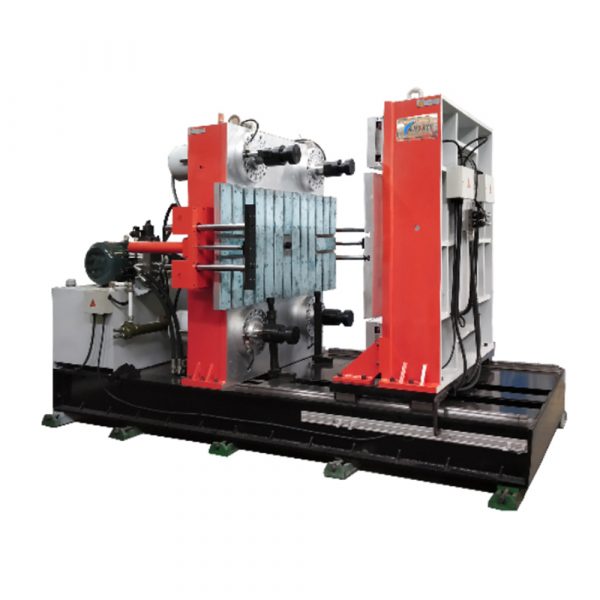
Folks in the mold shop know what I’m talkin’ about—parts come out puffy at the edges, seals don’t sit right, and the trimming pile grows taller each shift. That kind of flash and dimensional drift chews up time and scrap. Modern plants running LSR need steady clamping, predictable shot control, and tooling that breathes right. A reliable lsr molding machine helps, but the root trouble often sits in the press-tongue: press dynamics, cavity alignment, and cure consistency.
Why dimensional stability matters for seals and small parts
When you make seals for axles or medical valves, a few thousandths of an inch changes sealing force and assembly fit. Dimensional stability keeps tolerances tight through cure, demolding, and downstream assembly. Industry terms that play here are cavity design, shot size, and cure time—each one nudges the final size. In heavy runs—think Detroit auto suppliers—unstable parts mean rejects that ripple through the line and cost real dollars.
How C-frame power presses tame flash and shrink
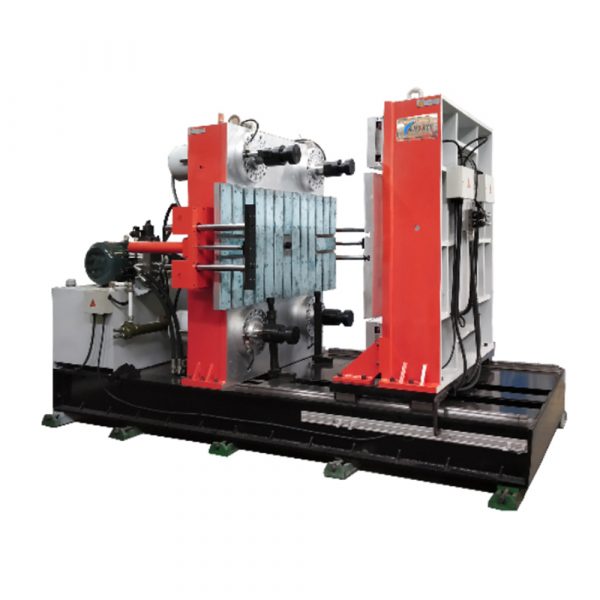
C-frame presses give fast access to tooling and consistent clamping where you need it. The trick is tuning clamping force and platen parallelism so the mold halves meet without gap at full injection pressure. Add a well-calibrated injection unit for proper shot control and you cut the overfill that makes flash. A tighter cavity fit and controlled cure cycle reduce shrink, too. Use tooling with venting and balanced runners so pressure evens out across cavities—this keeps parts matching each other.
Practical setup steps that actually work
Start by measuring platen parallelism and adjust your C-frame to spec. Confirm clamping force matches the mold’s required clamp rating, and set shot size with ridable repeatability. Watch cure profiles—overcure can harden thin sections; undercure lets dimensions pull in. Consider a hydraulic-servo hybrid or closed-loop control to firm up cycle-to-cycle repeatability. Keep tooling maintenance regular; a nicked cavity gives you flash like a leaky roof gives you water—fix the leak, stop the drip.
Common mistakes and how to dodge them
Many shops blame the rubber and not the press. They crank pressure to “fix” flash and then get burn marks or squeezed-out runners. Don’t overdo it. Misaligned tooling, inconsistent shot size, or poor venting are the usual culprits—address those first. Also avoid blanket changes across the board: one plant swapped presses for higher tonnage and saw worse shrink because the cure was no longer tuned to the new thermal profile. – That taught me to balance mechanical fixes with process tweaks.
Comparisons that help choose the right equipment
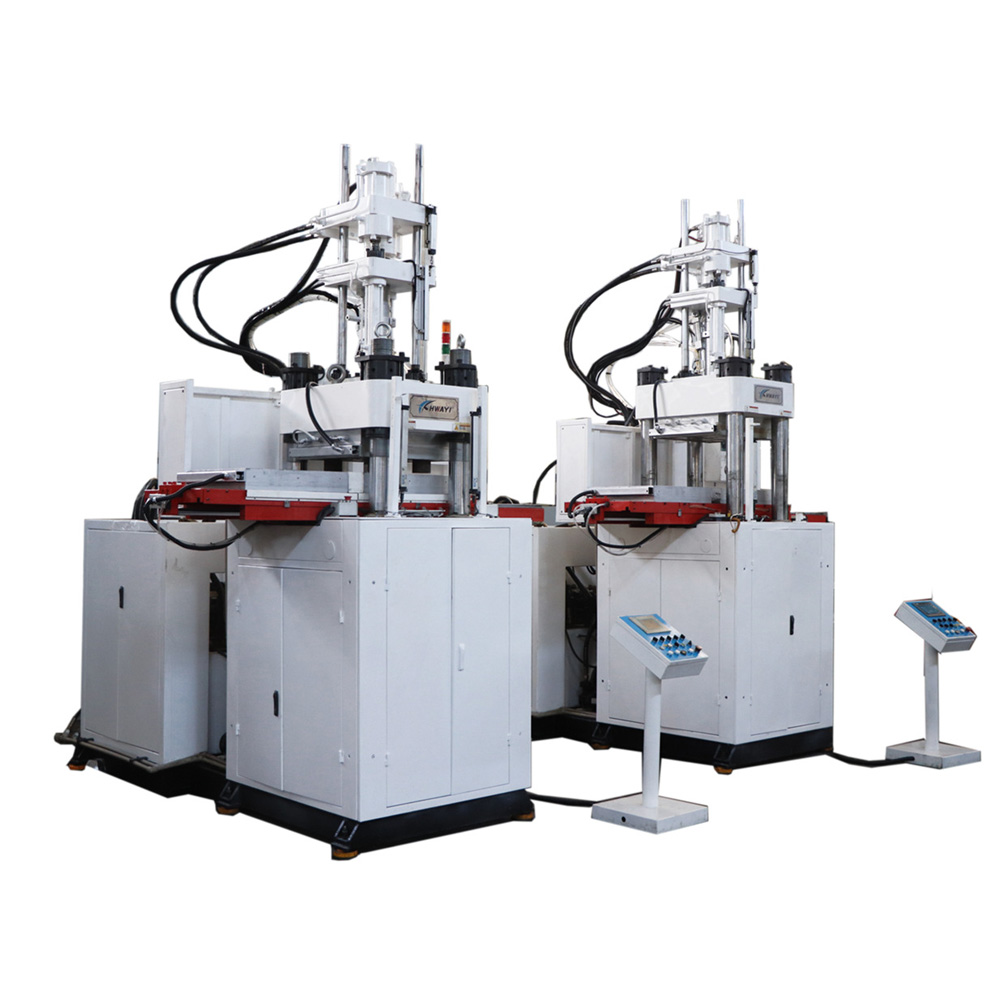
C-frame presses give accessibility and speed; full-frame presses give uniform pressure across big molds. For small precision LSR parts, a C-frame with accurate clamping and a stable injection unit often wins. Match the press to your tooling layout and target shot size. Consider peripheral systems too—metering pumps, vacuum venting, and hot-runner inserts can change results more than an extra ton of clamp.
Real-world anchor and expertise
Automotive sealing lines around Detroit saw similar shifts when suppliers moved to LSR for tighter weather seals; they focused on press stability and tooling vents before changing compounds. That same lesson applies to medical molding during the recent surge in demand—repeatability and clean cure control mattered most. Use terms like injection molding and tooling only when you actually adjust those elements—don’t pile on jargon and expect fixes.
Advisory: three golden rules to evaluate solutions
1) Clamping Consistency — Measure platen parallelism under load; accept no more than the mold-maker’s spec. This governs flash reduction and cavity repeatability.
2) Shot and Cure Control — Track shot size variance and cycle cure profiles. Aim for repeatable shot-to-shot volume and a documented cure window to avoid shrink drift.
3) Tooling and Venting Integrity — Inspect cavities and vents each shift; balance runners and vents to equalize cavity pressures. A small vent change often beats a big press upgrade.
Final thought
If you want parts that fit first time, build the process from press alignment to cure, and let the tooling breathe—HWAYI understands how those pieces fit together: HWAYI. – Practical setup beats pie-in-the-sky fixes every time.
Closing rhythm
Review clamp metrics, lock down shot repeatability, and keep tooling honest—those are the measures that tell you whether a solution will last.