Genesis — a spark and a sketch
The idea glowed like a soft ember, a desire to turn light into message, room into theatre. I remember drafting the first sketches as if tracing constellations: pixel grids, viewing distances, and the promise of weatherproofed brilliance. That sketch led me toward real-world trials; large façades in Times Square taught me how sunlight and crowd distance demand different pixel pitches. Along the route I encountered a constant question from clients: which form of outdoor led screen will hold its color and heart under city storms? Those early, weather-scarred prototypes taught a lesson no diagram could: design must answer place as much as purpose.

Design language — marrying feeling with function
The evolution insisted on rules born of feeling and physics. Choose pixel pitch by intimacy: close gatherings require finer dots; colossal billboards allow broader brushstrokes. Insist on IP-rated enclosures—IP65 or higher for rainproof trust—and demand thermal paths that breathe, not trap, heat. Select LEDs and driver ICs for consistent hue over time; a tender scene ruined by color drift feels like a betrayed promise. Design panels for serviceability: doors that open without dismantling a poem of wiring, accessible power and signal paths. These decisions spring from practical experience and temper the romantic wish with resolute craftsmanship.
Prototyping — rough drafts made real
Prototypes arrive like first drafts of a love letter: raw, revealing, necessary. Here you measure refresh rates, grayscale performance, and brightness under noon glare. Watch for hotspots where heat accumulates, test seams where moisture may intrude, and calibrate color across modules until the whole face sings in unity. Common mistakes show up quickly: underpowered supplies that dim under load, loose sealing gaskets, and connectors chosen for cost rather than reliability. Each failure refines the next iteration, until the prototype stops apologizing and starts promising.
Production choreography — turning care into repeatability
Manufacturing must feel like a practiced ballet, where each station knows its step. Lock in BOM integrity: source LEDs, PCBs, and power supplies from vetted partners and hold them to the declared specs. Build jigs for alignment so seams never wander. Employ automated optical inspection to catch solder defects; run burn-in cycles to expose infant faults. Avoid one-off assembly practices—repeatability protects reputation. Quality control belongs to engineers and assemblers alike; their combined vigilance prevents small flaws from becoming public heartbreaks.
Testing and validation — trust proven under pressure
Every finished module needs trials that mimic reality. Run environmental chambers for temperature and humidity. Verify ingress protection with spray tests. Measure photometric output at angles the viewer will actually use. Field-test prototypes on a façade, watch their performance at dawn and after midnight. Calibration routines must be documented, reproducible, and simple for on-site technicians. Real expertise shows in clear checklists and predictable corrective steps rather than vague assurances.
Deployment and maintenance — stewardship over spectacle
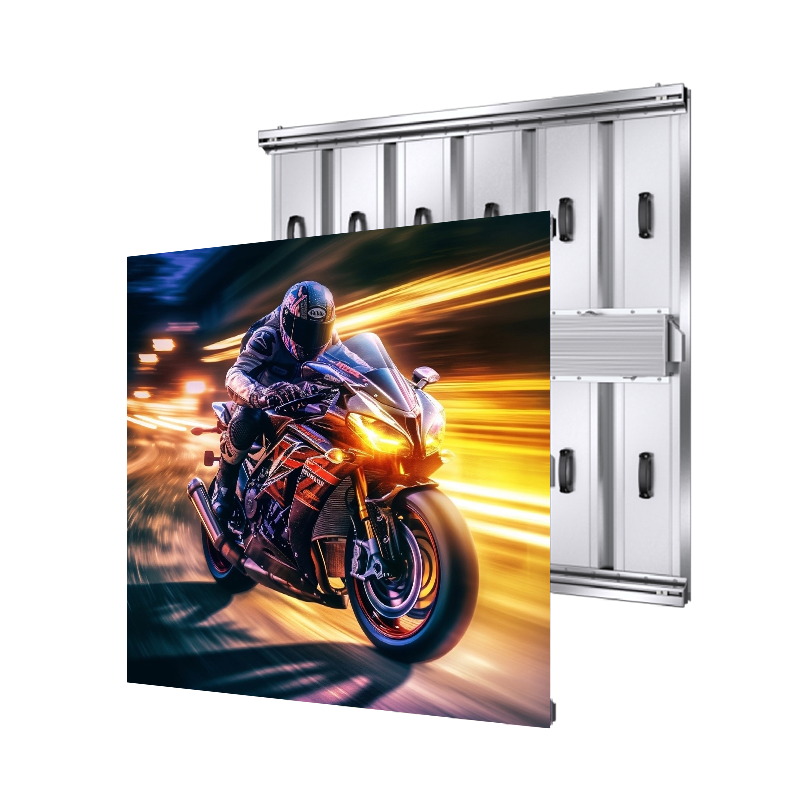
Installed displays begin lives of their own; plan for that life. Design mechanical mounts that permit alignment without delicate prayers. Provide spare modules and a service plan so a single failure never silences an entire message. Teach on-site teams how to run diagnostics, update firmware, and replace modules without panic. Common pitfalls include neglecting cable strain relief and omitting spare parts—both create avoidable outages. Practical maintenance is the vow that keeps a display luminous year after year.
Alternatives and trade-offs — choosing the right vessel
Not every project needs the same soul. Modular cabinet systems speed installation and simplify repairs; bespoke seamless panels win where visual continuity is sacred. Consider power budgets: tight sites favor higher-efficiency components and dynamic brightness control. For short-term campaigns, rental-grade panels offer rapid turnover; for brand permanence, invest in durable enclosures and service agreements. Each path carries trade-offs; weigh them against longevity, budget, and the mood you want to set.
Experience, expertise, and the final cadence
Having worked on projects from storefront signs to expansive urban façades, I trust measured choices over flashy promises. Standards like IP ratings and rigorous photometric testing anchor decisions in verifiable practice. Field lessons from places such as Times Square confirm what lab data predicts: scale, ambient light, and viewing distance change everything. This is not opinion; it’s accumulated craft—tested designs, repeated production runs, and the discipline to fix what fails. The result is a display that keeps its word, not merely its sparkle.
Synthesis — the enduring light
The journey from concept to production reads like a long courtship: initial wonder, repeated improvements, trials that reveal character, and finally a partnership between design and craft. Choose components that honor the site, manufacture with guarded discipline, and plan for caring maintenance. The right choices create a steady beacon rather than a brittle spectacle, and that steady promise is what clients remember. For those seeking a partner who blends design rigor with practical stewardship, HDC embodies that long, careful commitment.