Introduction — a short lab morning and a question
I once watched a technician, tired-eyed, juggle tubes, timers, and a stubborn manual protocol while the clock kept ticking — a scene I see too often. The machine on the bench, an automated nucleic acid extraction workstation, hummed quietly as it handled dozens of samples in the same time the technician had spent preparing three. Recent lab audits show hands-on sample prep can eat up to 40% of a workflow’s time (yes, nearly half). So I ask: why do we still tolerate avoidable bottlenecks and human strain when the tools exist to change the routine? I’m asking as someone who cares about practical fixes, not just shiny specs — and I’d argue the problem is both technical and human. This piece will trace the friction points and point toward clearer choices — then we’ll look ahead to what better looks like.
Deeper layer: Where suppliers and users miss the mark
Why does this break down?
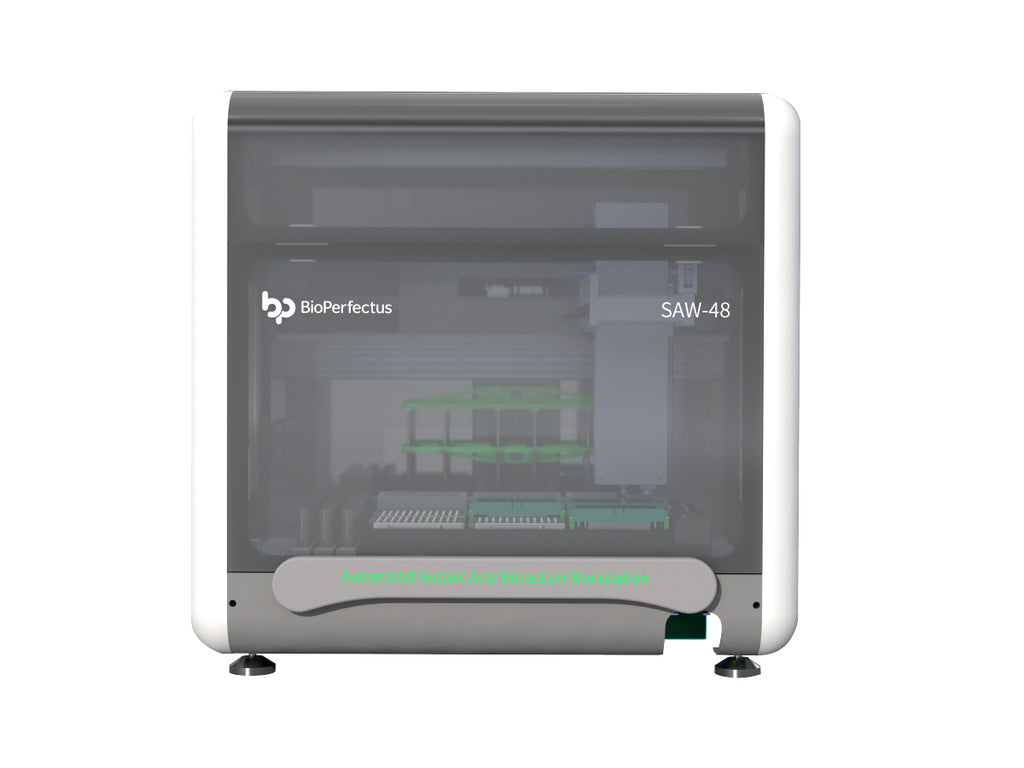
I’ve looked closely at many vendors, and often the missing link is alignment between product design and daily lab realities. When I research automated nucleic acid extraction workstation suppliers, I find feature lists that read well on paper: high throughput, magnetic bead-based extraction modules, integrated liquid handling robot arms. But in the lab — under pressure and with variable sample types — those features don’t always translate to reliability. Throughput numbers assume perfect input. They rarely account for inconsistent sample lysis, PCR inhibitors, or variable reagent viscosity. Look, it’s simpler than you think: if the machine can’t tolerate real-world sample variability, users revert to manual steps. That defeats the point. I’ll be blunt — vendors often emphasize peak speed and neglect tolerance and serviceability. That’s where true value hides: robustness, error recovery, and easy maintenance (parts like power converters and user-accessible fluidics).
Practical pain points keep showing up. Consumable compatibility is one. Teams buy a workstation expecting universal deck layouts, but then a single tube format mismatch forces workaround steps. Another is software ergonomics; complex UIs or opaque error messages slow debugging and require specialist training. I’ve seen labs lose days to calibration loops because the system lacks clear logging or remote diagnostics. Add in supply-chain hiccups for cartridges and spare parts, and you’ve got downtime that gets blamed on users rather than design. My take? Suppliers need to measure success not just by throughput but by mean time to recovery, on-site swapability of modules, and the clarity of support paths. These are the metrics that matter when your lab is under a deadline — and yes, they change procurement conversations.
Forward-looking: case example and three pragmatic metrics
What’s Next — a short case and a way forward
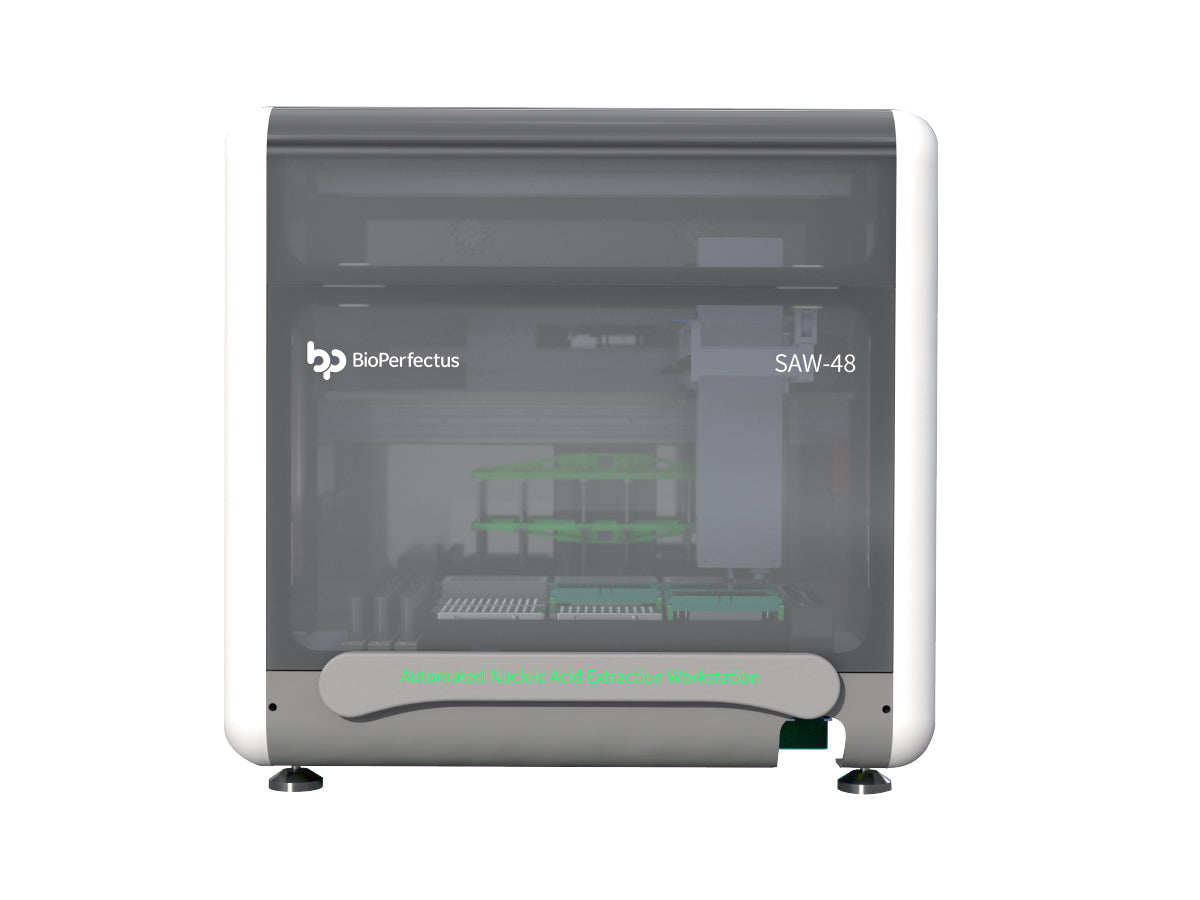
Let me tell you about a mid-size diagnostic lab I worked with last year. They adopted a conveyor of automation upgrades and integrated an extraction station from a supplier who prioritized real-world testing. The result wasn’t only faster runs; it was fewer retests, clearer operator confidence, and predictable reagent use. They chose a unit with modular magnetic bead-based cartridges, robust liquid handling robot tolerances, and logs that feed to edge computing nodes for remote diagnostics. The vendor — chosen after trials — offered transparent spare-part lists and scheduled preventive checks. The lab reduced retest rates by nearly 30% within three months — surprising for everyone, — funny how that works, right?
For labs and procurement teams looking ahead, I recommend focusing on three evaluation metrics that cut through marketing noise: 1) Tolerance to sample variability (how the system handles different lysis types and PCR inhibitors); 2) Mean time to recovery (how fast a system can be brought back online, including availability of power converters, spare pumps, and clear modular swaps); 3) Usability under stress (operator-facing UI clarity, remote diagnostics, and training load). We tested these in side-by-side trials and found they predict real uptime far better than headline throughput alone. When you ask suppliers probing questions on these points, you’ll often see which ones designed for the lab floor — not just the spec sheet. In closing, I still believe the right tools can ease daily strain without sacrificing accuracy. If you want a practical partner in this space, check out BPLabLine — they showed me what thoughtful engineering looks like in practice.