Introduction — a familiar rush, some stark numbers, and one pressing question
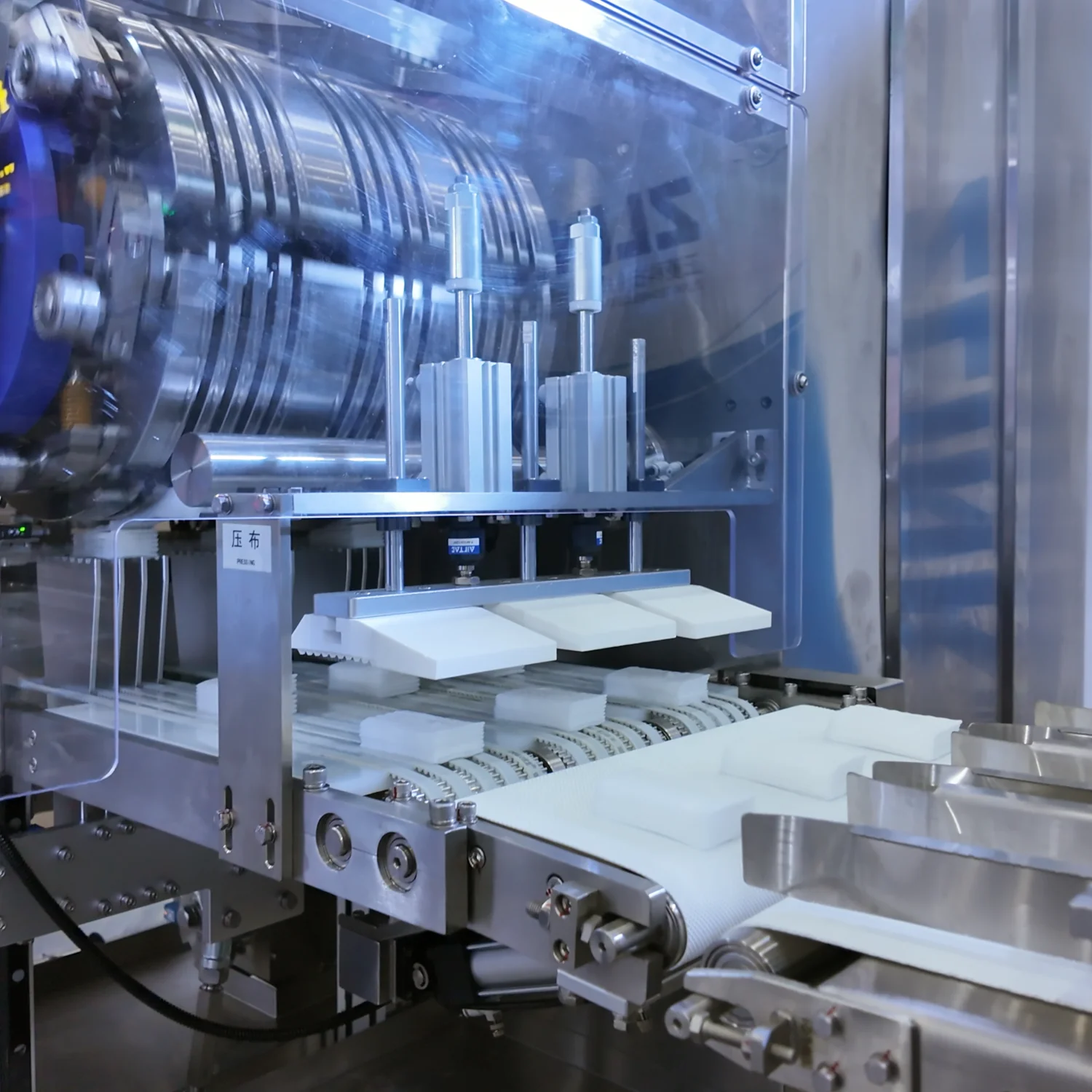
Have you ever watched a production line hiccup just as demand peaks and wondered how often that happens to others? The wet tissue machine stands at the heart of many small to mid‑size plants, yet downtime and quality drift are common (and yes, even the small ones get hit). Recent market figures show a steady rise in demand for wet wipes — with personal consumption up by double digits in several regions — and many factories report up to 8–12% material waste during runs. So how do we push throughput without losing the softness and moisture that consumers expect? I’ll walk through the scene, the numbers, and the choices we face next.
Why conventional fixes often miss the point
I’ve been on too many shop floors where managers reach for the usual answers — faster belts, tighter tolerances, or more frequent staff checks — and the same problems persist. When we talk about personal care wipes, the temptation is to blame the raw material or the operator. But that’s only part of the story. Traditional solutions gloss over systemic issues: poor moisture control, misaligned roll unwinders, and legacy servo motors that cannot respond to transient load changes. These faults lead to inconsistent sheet formation, skipped slits, and packaging rejects. Look, it’s simpler than you think — the symptoms are surface-level; the causes lie deeper in process control and machine integration.
Which parts are truly failing?
From my experience, slitting knives that are misadjusted and outdated touchscreens (HMI) that slow operator response account for a lot of lost minutes per shift. Add in imprecise moisture control and the result is variable product feel. I believe that treating these as isolated faults — rather than as linked subsystems — is the main blind spot in standard troubleshooting. We need to think in terms of feedback loops, not just static repairs.
Forward-looking principles: smarter machines, smarter outcomes
Now, let’s shift forward. I’m excited about approaches that blend straightforward mechanical upgrades with smarter control logic. For personal care wipes production, that means pairing accurate moisture sensors and improved roll unwinders with compact power converters and adaptive servo drives. The principle is clear: give the machine fast, precise inputs and let controls correct deviations before they become rejects. In practical terms — shorter setup times, fewer manual interventions, and better overall consistency. — funny how that works, right?
One practical path I favour is incremental retrofits. Replace a single weak link — say a temperamental slitting head — and then update the HMI to provide immediate operator guidance. Next, add a moisture feedback loop and tune the servo response. Each step yields measurable gains: fewer scraps, more reliable cycle times, and happier line staff. I’ve seen plants reduce waste by several percentage points within weeks when they follow this staged method. The technical bit is not mystical: it’s about aligning mechanical capability with real-time control.
What to watch for next
Expect to hear more about edge computing nodes in plant control and modular packaging lines that adapt to small-batch runs. These concepts let you scale output without rebuilding everything. They also provide data you can use to refine maintenance schedules and predict failures before they happen — a small investment in sensors and analytics can save days of downtime over a year.
Conclusion — three practical metrics to guide your next upgrade
So where do we land? After walking through the scene, drilling into root causes, and sketching future directions, I suggest evaluating any next step against three clear metrics: 1) Cycle yield improvement — measure rejects per 1,000 sheets; 2) Setup time reduction — minutes saved per SKU change; 3) Operator touchpoints — how often a human must intervene per shift. These metrics keep decisions practical and let you compare vendors and retrofits on real returns rather than promises. I favour modest, staged investment over wholesale replacement — it manages risk and builds confidence.
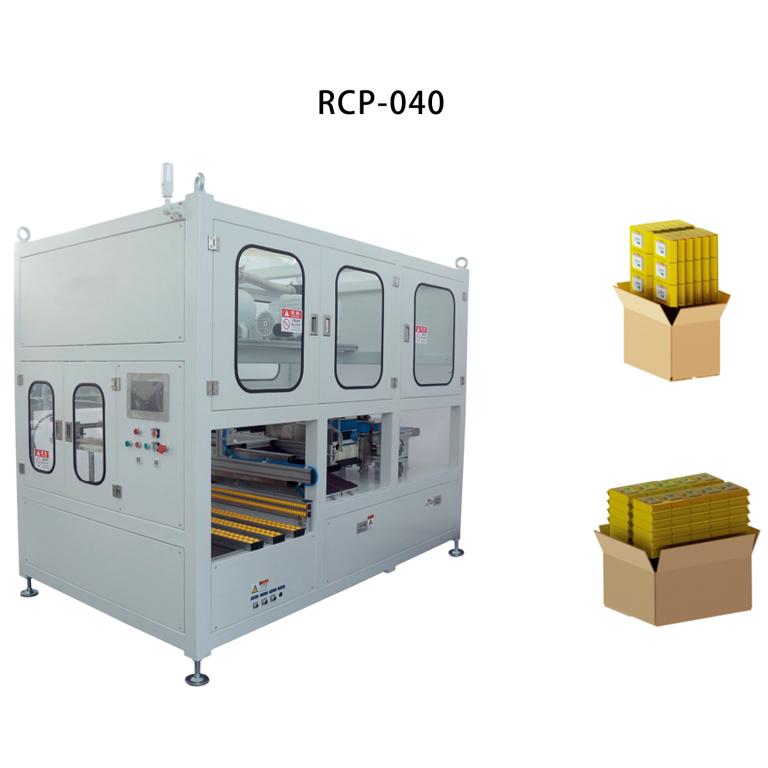
In closing, I’ll be candid: I care about the small wins because they add up. We can make wet tissue lines both faster and kinder to the product with sensible fixes — and yes, you don’t have to rip everything out to see a difference. If you’re exploring solutions, consider vendors who understand both mechanics and controls, and who will stand by incremental improvements. For a reliable partner that blends machine know‑how with practical support, have a look at ZLINK.