The problem that won’t quit
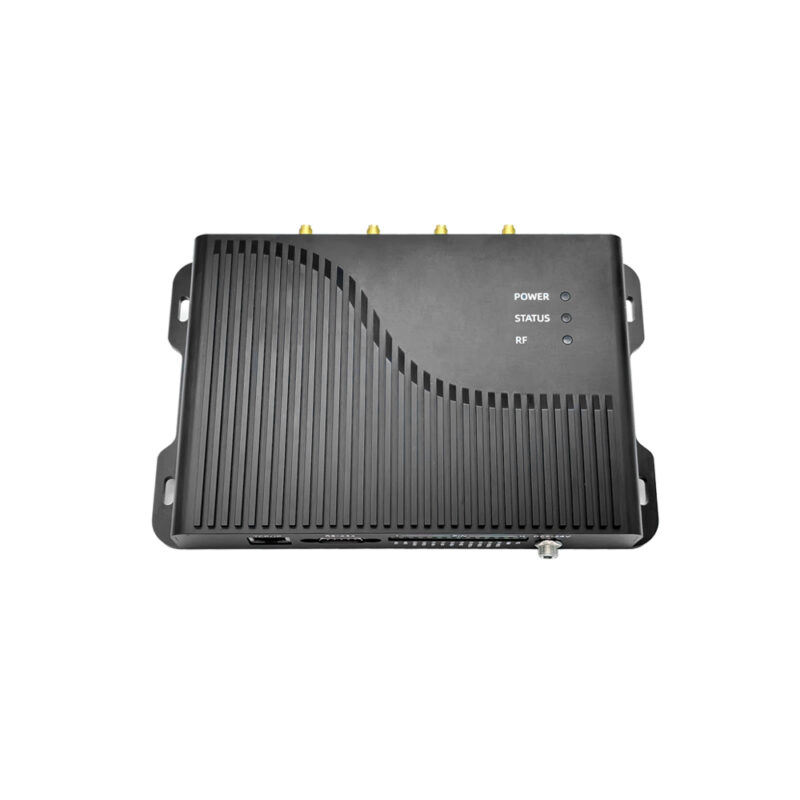
Folks, when you can’t reliably read the tags you paid good money for, operations stall and blame starts flyin’ like tumbleweed. The core trouble with active RFID tag range is it often behaves differ’ntly on a test bench than it does in the real world. That’s why you gotta validate reads with real equipment — not guesses. Start your checks with a good set of UHF RFID Readers and a repeatable geometry; if you don’t, you’ll miss failures till it’s too late.
What you must test — no skimpin’
Measure read range distribution, not just the max number on the spec sheet. Test the read probability at fixed distances and angles to get a profile of range drop-off. Check orientation sensitivity by rotating tags on their three axes and note the variance in detection probability. Run throughput tests: how many unique reads per second under realistic load. Verify multi-tag performance: put dozens, hundreds, or however many your use case expects into the field of view and measure collision losses and missed reads. Record RSSI and read-rate over time to reveal intermittent failures. Expose tags to likely materials — metal, liquids, cardboard — and measure attenuation. Finally, run basic environmental checks: temperature cycles, humidity, and vibration where relevant.
How to run the tests so results mean somethin’
Fix your reader and antenna to a stable rig, note antenna polarization, and use repeatable distances in small increments. Use a calibrated reference tag to normalize reader power and antenna gain before testing unknown tags. Log raw reads with timestamps and RSSI, then compute packet reception rate (PRR) at each position. Automate movement when you can — a linear stage or a simple winch system reduces human error. Repeat each measurement multiple times and report median and 95th-percentile ranges, not just averages. Keep transmit power within regional regulatory limits and document settings for reproducibility.
Common mistakes that bite hard
Don’t test only in anechoic boxes and call it a day; that gives you unreal expectations. Don’t assume all tags of the same model behave identically — sample across production lots. Avoid using only peak-range figures; they hide distribution tails that cause field failures. Don’t forget to test with real packaging and mounting surfaces: a tag stuck on a pallet corner will act different than one waved in free air. Lastly, don’t ignore reader firmware and antenna cabling — loose connectors and out-of-date firmware are silent killers.
Real-world anchor and why you should trust this approach
Deployments at big ports like the Port of Los Angeles have shown that gate and yard systems relying on consistent long-range reads require fixed hardware tuned to the site’s multipath and metal clutter; I’ve worked on projects where a properly placed fixed uhf rfid reader transformed a failing lane into a reliable throughput. Use protocol-aligned tags (EPC Class 1 Gen2 / ISO 18000-63) and document test conditions — standards and field deployments back the methods that actually prevent surprises.
Alternatives and practical trade-offs
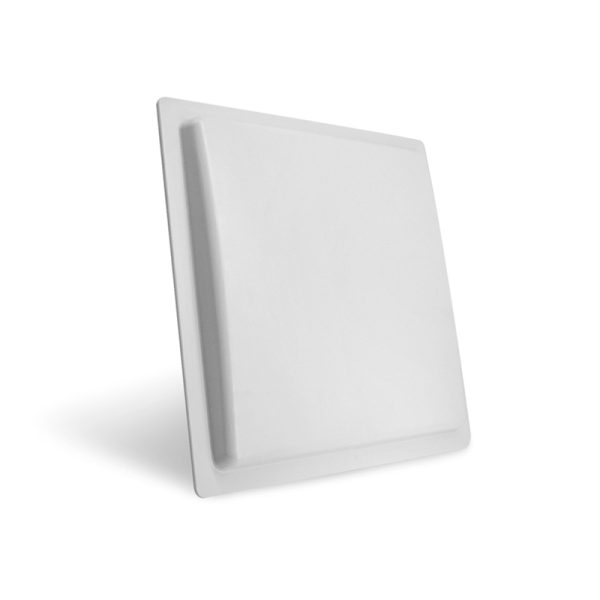
If you need portability, handheld units can supplement fixed readers but expect lower consistent range and different antenna patterns. Circularly polarized antennas give broader orientation tolerance but trade some peak distance versus linear antennas. Picking higher-gain antennas can lengthen read range but makes the system more directional and sensitive to alignment. Choose tag families with proven field records for your substrate; sometimes a slightly higher-cost tag saves far more in avoided failures.
Closing stitch — what you do with these tests
Run the specific tests above to find the weak spots, fix reader placement and antenna choice, and validate with production samples under real conditions. That way, you get measurement-backed confidence instead of guesswork, and partners like RSTC can help match hardware and test plans to the realities you uncovered.