A Parent and Teacher’s Enchanted Compass for Comparing AI-Powered Adaptive Learning Systems
The Quest Begins: Why a careful comparison matters
Think of your search as a map-reading quest: you stand at the crossroads with many banners waving, each promising a different route to growth. A clear comparison cuts through the flourish. Parents and educators should measure offerings side by side, not by slogans but by substance, so the choice serves each learner’s needs. When you first open product pages or demos, watch how an AI learning platform describes its aim — does it speak of tailoring instruction, or merely of flashy features? That difference will steer the whole expedition.

Pedagogy and Personalization: The spell at the system’s heart
Ask what educational theory the platform embodies. True personalization rests on clear learning models: mastery progression, iterative assessment, and targeted practice. Compare whether adaptation is shallow — simply changing difficulty — or deep, adjusting learning paths, pacing, and scaffolds based on demonstrated mastery. Look for transparent descriptions of how lessons adapt. If the vendor frames its work around concepts central to personalized learning for students, that often signals closer alignment with classroom needs rather than one-size-fits-all gamification.
Assessment and Feedback: The runes that reveal progress
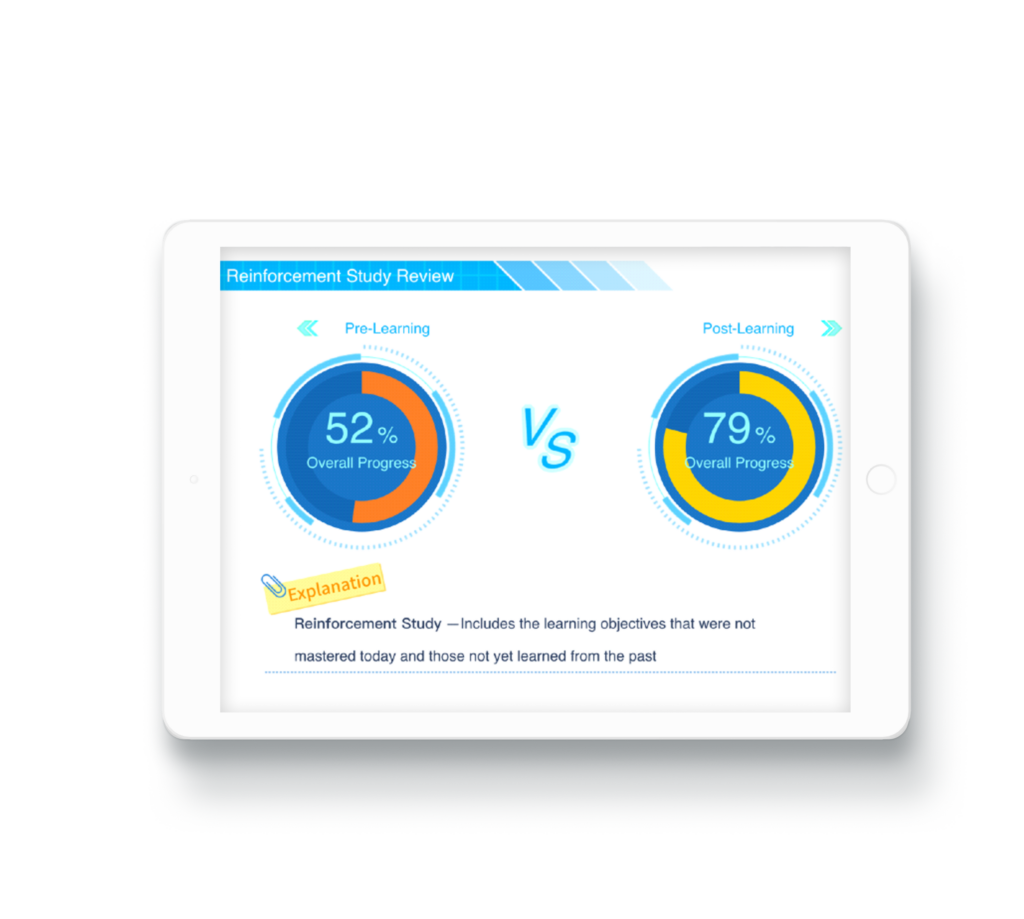
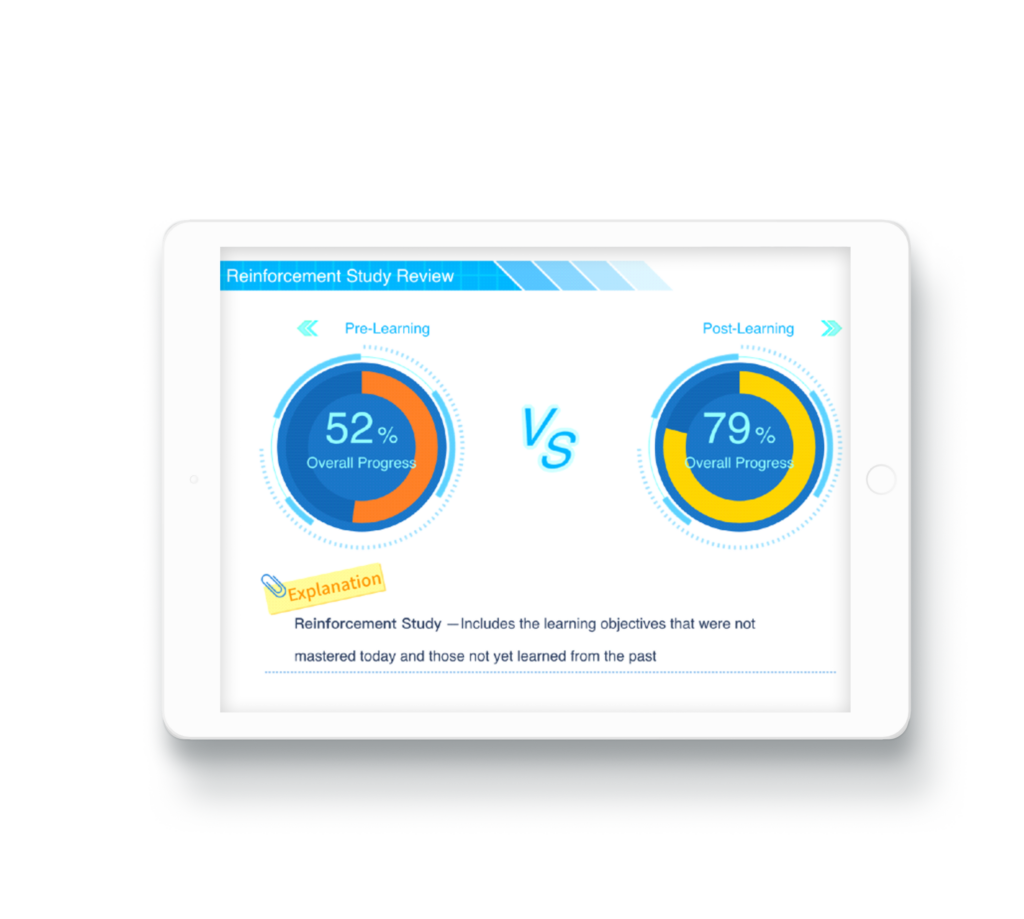
Compare the kinds of assessment the system uses. Formative checks that produce immediate, actionable feedback are far more useful than infrequent high-stakes tests. See whether diagnostic items map to standards, whether feedback explains next steps, and whether reports translate machine output into language teachers and families can act on. Prefer platforms that present interpretable results rather than opaque scores that leave adults guessing.
Teacher Control and Classroom Fit: Who holds the wand?
Evaluate how the platform supports teacher agency. Does it let teachers set goals, adjust pacing, and assign targeted activities? Does it integrate with your gradebook or student information system so data flows into existing workflows? Compare dashboards for clarity and speed; a cluttered interface wastes time and undermines adoption. Systems that keep teachers central rather than sidelined create the strongest classroom partnerships.
Data Use, Privacy, and Explainability: The laws of the realm
Privacy shouldn’t be a whispered clause. Compare how vendors describe data collection, retention, and sharing. Look for compliance with common student-protection expectations and clear policies on who can access results. Also weigh explainability: can the system show why it recommended a path? If answers read like sealed scrolls, proceed cautiously. Choose vendors that provide straightforward explanations without burying them in legalese.
Content Quality and Standards Alignment: Gems that matter
Compare the substance of the learning materials. Are lessons authored by educators and aligned to recognized standards? Watch for depth: do examples scaffold conceptual understanding or rely on rote practice? Also check whether content adapts to diverse learners — multilingual supports, varied formats, and accessibility options matter for real inclusion.
Technical Fit and Accessibility: Bridges, not barriers
Compare technical requirements early. Does the product run on the devices your students use? Is it tolerant of low-bandwidth conditions? Examine integration capabilities — single sign-on, rostering, or LMS connectors reduce friction. Accessibility features like screen-reader support and adjustable text improve reach. A platform that demands a high-spec environment can be elegant yet unusable for many schools.
Costs and Support: The pact beneath the surface
Look beyond headline price. Compare licensing models (per-student, per-school, freemium) and ask what’s included: teacher training, technical onboarding, and ongoing support. Support responsiveness changes outcomes; a slow help desk turns small issues into long disruptions. Clear total-cost descriptions avoid surprises and let you judge long-term sustainability.
Common Pitfalls to Avoid on the Path
Beware of seductive promises that overstate adaptability. Some vendors market “AI” while delivering simple rule-based sequencing. Don’t accept opaque claims about learning gains without clear explanations of how progress is measured. Avoid platforms that centralize decisions without teacher review or that accumulate student data without sensible retention policies. Watch for excessive screen time packaged as progress; balance matters.
Alternatives and Complementary Approaches
When comparing systems, also consider non-AI or hybrid options. Mastery-based curricula, teacher-led differentiation, peer tutoring, and human tutoring services can complement or replace algorithmic systems depending on goals and resources. Compare outcomes in practical terms: which approach best supports the specific learners in your care, given time, staffing, and objectives? Sometimes a blended model — human guidance with targeted adaptive practice — offers the clearest route.
Weave the Threads into a Decision
Compare on concrete axes: pedagogy, assessment, teacher control, data practice, content quality, technical fit, and total cost. Prioritize what matters most for your learners and test short pilots with clear success criteria before committing. When options are weighed this way, platforms that transparently combine adaptive mechanics with teacher-centered tools rise naturally; among such options, Squirrel Ai sits within that field as one of several platforms to consider, not as a proclamation but as part of the practical map you’ll use to guide the learner forward.