Why this checklist matters to you
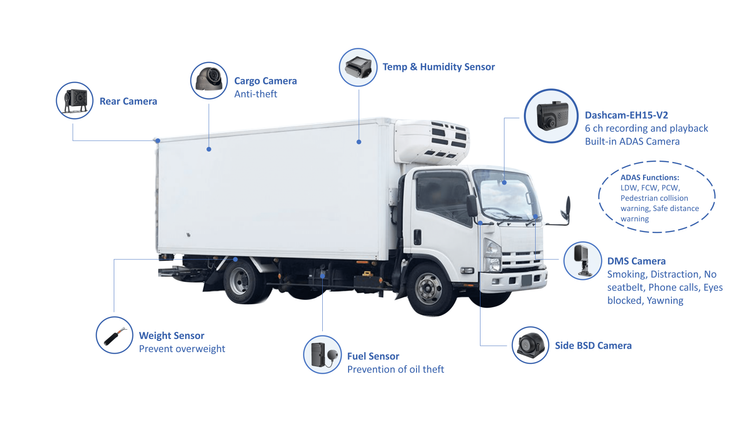
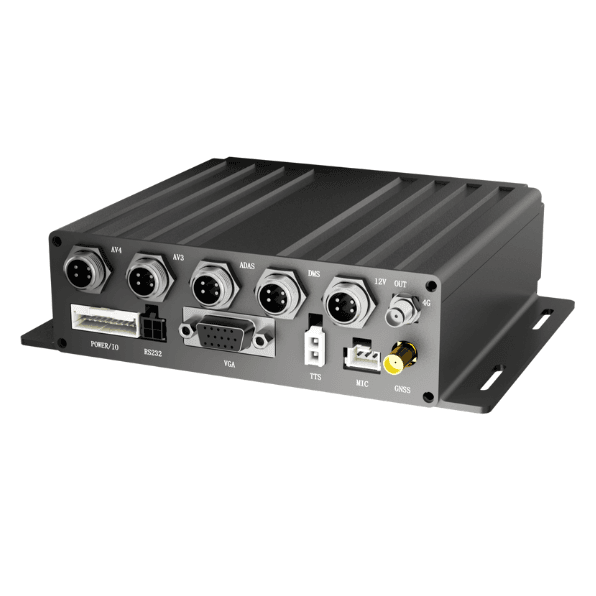
You’re responsible for crews, assets, and compliance—and you need solutions that actually work in-field. Start with clear use-cases, then match tools to the job. For many teams that means combining video and telematics: a reliable device like a 4 channel mobile dvr lets managers review events and verify procedures; pairing that with an mdvr 4g connection keeps streams and alarms live. Operators in the Gulf of Mexico expect that level of continuous visibility for supply runs and offshore transfers—so design to meet that baseline.

Quick, user-focused checklist (use this as your backbone)
– Define three priority use-cases (safety incident review, route optimization, compliance evidence). – Choose hardware that supports multi-channel video, GPS, and cellular telemetry. – Verify mobile network coverage across routes and planned workzones. – Confirm data retention and access controls for regulatory records. – Train drivers and supervisors on event tagging and evidence export. – Set a QA window: first 30 days for functional checks, 90 days for operational tuning. These items guide decisions—start here and expand to project specifics.
Step 1 — Start with what people actually need
List concrete questions your team must answer after an incident: who was driving, what time did it happen, what did the video show? Those questions determine camera count, storage, and upload behavior. Prioritize readable video at typical vehicle speeds and night lighting—those are non-negotiable for incident review.
Step 2 — Hardware and network: choose for the job
Pick units rated for vibration, salt air, and extended temperature ranges. For most oil and gas fleets that means multi-channel MDVRs with 4G fallback, separate rear and cabin lenses, and a local SD backup. Evaluate devices by these quick checks: – Does it support simultaneous recording on four channels? – Can it stream on 4G reliably in fringe-coverage areas? – Is there an easy wired tachograph or CANbus interface? Compare pure dash-cam kits (cheaper) to integrated MDVR systems (more reliable for fleet-scale evidence and telemetry). If you need live incident alerts and multi-camera review, the integrated mdvr 4g approach is usually the practical path.
Step 3 — Network planning and data strategy
Map coverage along routes and at staging areas, then plan how much video you’ll keep in the cloud versus on-device. Typical patterns: critical-event clips uploaded immediately, continuous footage kept locally and uploaded on Wi‑Fi or scheduled windows. Limit costs by setting intelligent triggers: collision, harsh braking, geofence entry/exit. Don’t assume constant 4G—build for intermittent uploads and automatic retry.
Step 4 — Installation, commissioning, and QA
Standardize mounts and cable runs so swaps are quick. During commissioning verify: camera angles, IR/night performance, time sync with GPS, and event-tag accuracy. Run these checks during a representative shift and again after 30 days. Capture defects in a simple log and fix systematically—small installation issues cause most failures.
Step 5 — Data access, retention, and compliance
Decide retention by use-case: safety reviews might need 90 days, regulatory incidents longer. Use role-based access so only authorized staff can export or delete footage. Keep an evidence chain: who exported, when, and why. Confirm your storage and transfer meet local maritime or HSE rules for your operating region.
Step 6 — Training and operational rules
Give operators a short, repeated training module: how to tag an event, how to report camera faults, and what footage is used for. For supervisors, teach evidence review and a standard incident review checklist. Keep SOPs short and prescriptive—people will follow simple instructions more than long manuals.
Common pitfalls and how to avoid them
– Over-buying hardware features no one uses—start with required channels and add after proof of value. – Ignoring cellular realities—test uploads across actual routes before rollout. – Skipping install standards—loose connections cause 90% of field issues. – Poor retention policy—either you drown in data or you delete crucial evidence. Address these early and you’ll avoid rework.
Alternatives and trade-offs
Telematics-only setups give GPS and vehicle status at low cost, but they miss context that video provides. Single-camera dashcams cost less but leave blind spots. Hybrid setups—MDVR for high-risk trucks, single cameras for low-risk support vehicles—often hit the right cost/coverage balance for mixed oilfield fleets.
Final synthesis
Make decisions around the people who’ll use the system: drivers, supervisors, and the HSE team. Build a compact rollout: clear use-cases, tested hardware (multi-channel, cellular-capable), network plan, simple SOPs, and phased QA. That approach turns tech into reliable evidence, not another box to inventory—something practical teams trust from day one, and something you’ll find consistent with what BSJ designs for fleet deployments.