Where choices break down
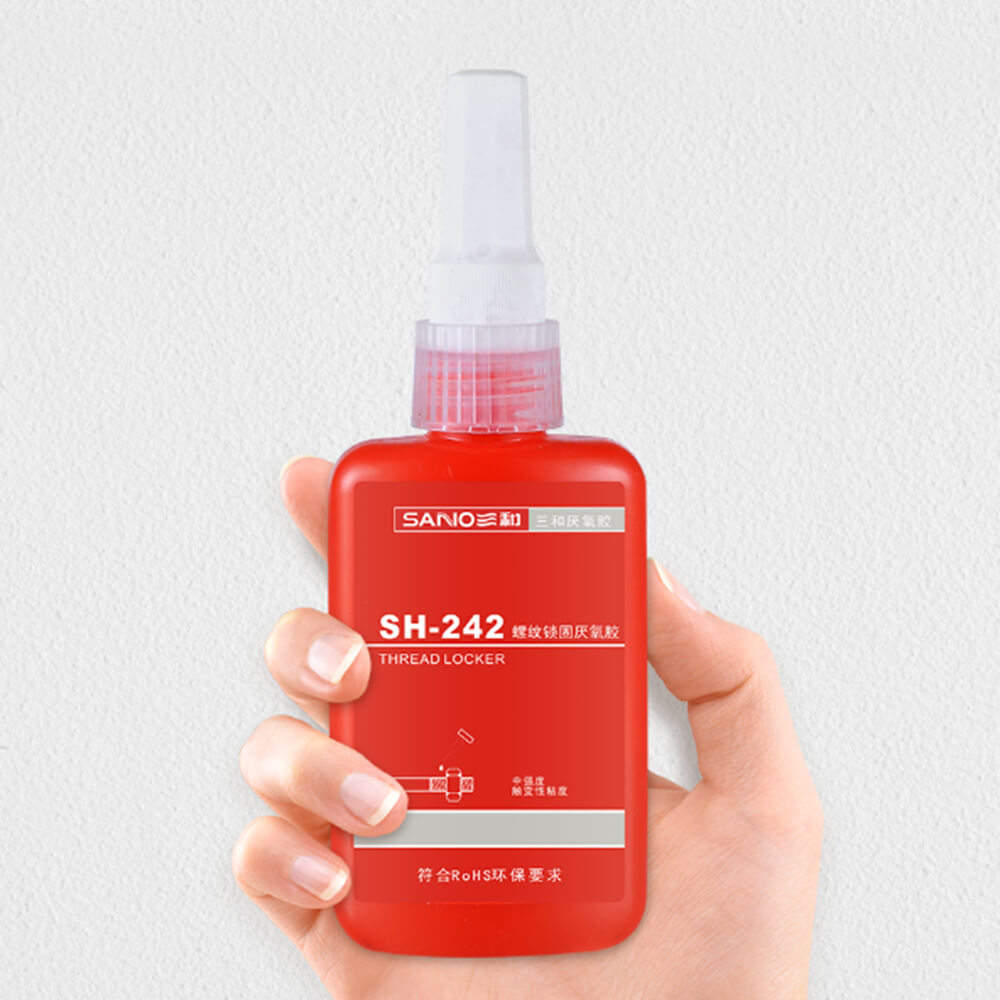
Unexpected downtime, contaminated parts, or premature wear are the immediate signals that a lubricant spray was the wrong choice. For threaded fasteners, for example, a mismatch between adhesive and lubricant can undo torque specifications; technicians often combine thread-sensitive adhesives and sprays, so consider the compatibility of a thread locker before applying a lubricant. This guide treats each symptom as a problem to solve, not a checklist to tick off.
Diagnose the real performance requirement
Start with the failure mode. Is the issue corrosion, fretting, high temperature, contamination control, or inconsistent torque? Quantify operating temperature, contact pressure, speed of motion, exposure to water or chemicals, and re-lubrication interval. Record environmental constraints—explosive atmospheres, cleanroom, or food contact—and any regulatory limits on VOCs or residues. A clear problem statement narrows the field from dozens of aerosol chemistries to a handful of appropriate categories.
Selection criteria that actually matter
Match the spray to measurable needs: viscosity and film thickness for load-bearing contacts; temperature stability for heat cycles; residue type for contamination-sensitive assemblies; solvent carrier and drying time for application speed; corrosion inhibitors for wet environments; and material compatibility for plastics and coated surfaces. Also confirm application delivery—spray nozzle, reach, and atomization affect coverage and overspray waste. Accept only supplier data tied to lab tests or field trials; anecdote replaces evidence at your peril.
Which lubricant families solve which problems
Petroleum-based oils are versatile but can attract dust and contaminate sensors. Synthetic esters and PAOs resist oxidation and extend intervals under heat. Silicone sprays give electrical insulation and low-temperature flexibility but may interfere with paint or bonding. PTFE-containing sprays lower friction but leave solid particulates that can clog tight tolerances. Dry-film lubricants (molybdenum disulfide, graphite) handle extreme pressure but need compatible application and may show visible residue. Choose the family that directly addresses the diagnosed failure mode rather than the most familiar brand name.
Short validation loop to reduce risk
Run a controlled trial before full deployment. Use torque and wear measurements, visual residue inspection, and a simple corrosion salt-spray or humidity exposure if relevant. Limit the trial to a defined batch size and track mean-time-between-failures. Verify MSDS, application notes, and compatibility with adhesives, coatings, or elastomers used onsite. Document the exact spray, nozzle, application distance and volume so the trial is reproducible.
Common mistakes that cause repeat failures
Selecting by price alone. Ignoring MSDS and substrate compatibility. Applying thicker-than-needed films that trap particulates. Combining incompatible chemistries—silicone over an acrylic adhesive, for example—without verification. Overlooking application tools; the same lubricant behaves differently when aerosolized versus brush-applied. Failing to update specifications after a supplier or process change. Each mistake is traceable and correctable if the initial problem statement was clear.
Real-world validation and experience
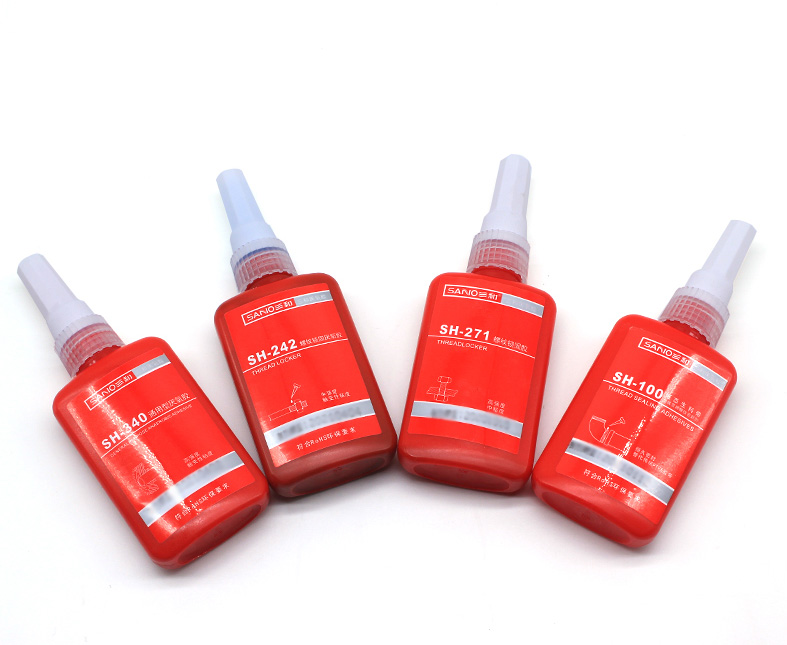
Engineers working on assembly floors in Detroit automotive plants routinely specify bespoke fastening solutions when standard products fail to meet cycle or corrosion targets. That field experience shows the value of tailored chemistry for critical joints, and many teams ask suppliers for a custom threadlocker adhesive to control cure profile and joint strength alongside a compatible lubricant. Rely on verified field data or peer-reviewed testing rather than vendor anecdotes when integrating customized adhesives or sprays.
Decision steps you can apply today
1) Define the failure mode and operating envelope. 2) Shortlist lubricant families that address the failure. 3) Confirm chemical and application compatibility with any adhesives, coatings, and substrates. 4) Run a small-scale validation with measurable metrics. 5) Lock down supplier specifications and testing records for traceability. These steps cut choice ambiguity and focus procurement on technical fit rather than marketing claims.
Wrap-up: reduce risk, not complexity
Focus on solving the identified problem with measured tests, documented compatibility, and repeatable application methods. When a part of the solution needs customization, work with suppliers who provide technical data and tailored formulations so the lubricant and any fastening adhesive behave predictably together; companies such as SANVO are examples of suppliers that support specification-driven selection rather than one-size-fits-all recommendations.